


A brief roundup of United Nations political and peacebuilding events and developments globally.
Ruiz Massieu calls for coordinated action to advance Haiti’s political transition and security
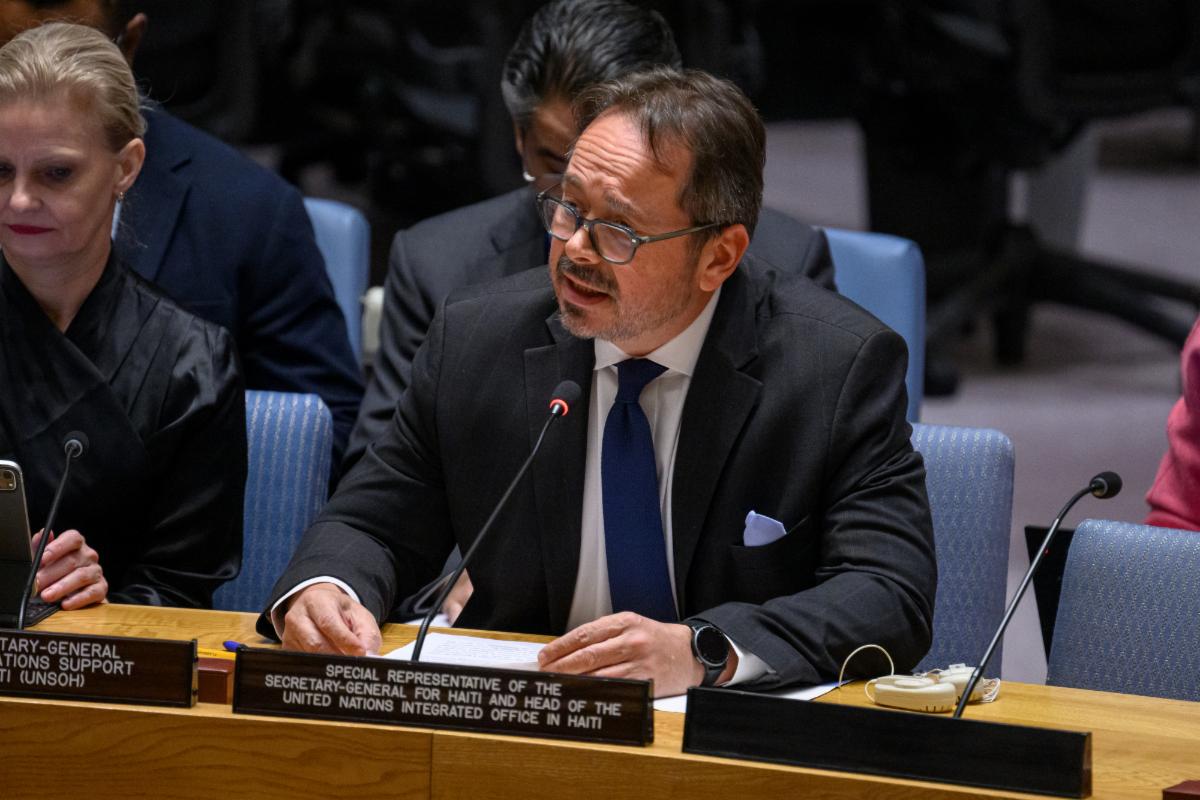
On 19 October, Special Representative of the Secretary-General (SRSG) and Head of the United Nations Integrated Office in Haiti (BINUH), Carlos Ruiz Massieu, told the Security Council that Haiti had made significant progress in electoral preparations despite persistent gang violence. He highlighted measures to encourage women’s participation and called for realistic electoral timelines and continued political dialogue. Stressing that security operations alone cannot ensure lasting stability, he urged a comprehensive Haitian-led approach combining stronger State institutions, disarmament and reintegration, and sustained international support. Following the briefing, Ruiz Massieu also spoke to reporters.
UN and Switzerland strengthen coordination of peace efforts in Sudan
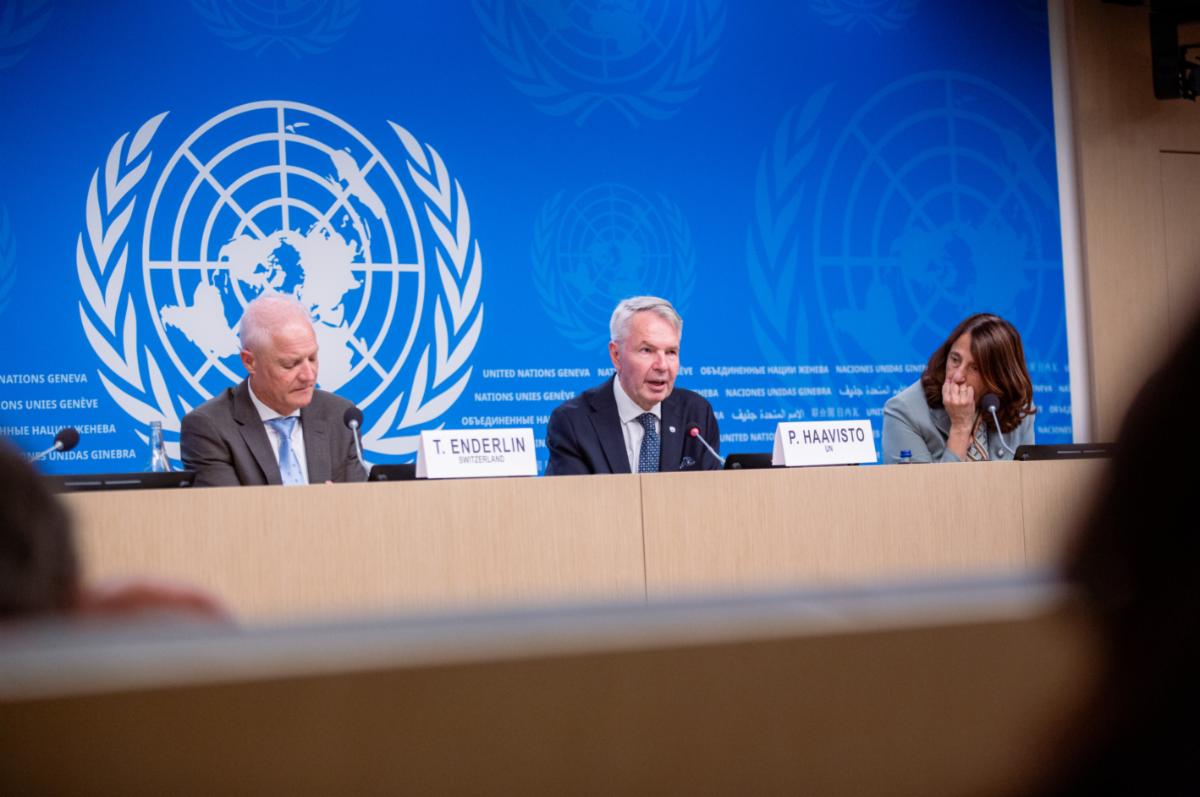
On 21 October, Personal Envoy of the Secretary-General for Sudan Pekka Haavisto and Swiss State Secretary for Foreign Affairs Alexandre Fasel co-chaired the Sixth Consultative Meeting on Enhancing Coordination of Peace Initiatives and Efforts in Sudan in Geneva. The meeting brought together international and regional partners to strengthen coordination of mediation efforts, advance de-escalation and support an inclusive, Sudanese-led political process. The Personal Envoy emphasized the importance of mutually reinforcing diplomatic initiatives to create conditions for a comprehensive ceasefire and prevent further regional spillover. He also announced plans to convene the Consultative Group every three months to assess progress and address obstacles. Following the meeting, Haavisto and Swiss Ambassador Tim Enderlin briefed reporters. Read the co-chairs’ summary and Haavisto’s remarks.
UN and African Union strengthen cooperation on conflict prevention and peacebuilding in Africa
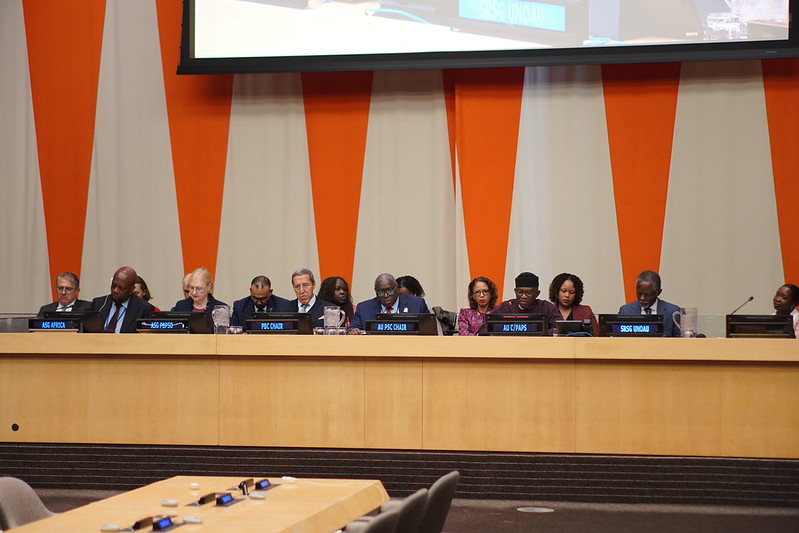
On 21 October, the United Nations Peacebuilding Commission (PBC) and the African Union Peace and Security Council (AUPSC) held their ninth annual joint consultative meeting at UN Headquarters in New York. Co-chaired by Ambassador Omar Hilale of Morocco and Ambassador Churchill Ewumbue-Monono of Cameroon, the meeting focused on strengthening African-led conflict prevention and peacebuilding, aligning regional efforts with nationally owned priorities, and mobilizing financing and partnerships. Assistant Secretary-General Elizabeth Spehar and Special Representative of the Secretary-General to the African Union Parfait Onanga-Anyanga were among the scheduled speakers. Following the meeting, the two bodies issued a joint communiqué. Read more here.
Peacebuilding Fund Group of Friends discusses findings of strategy evaluation
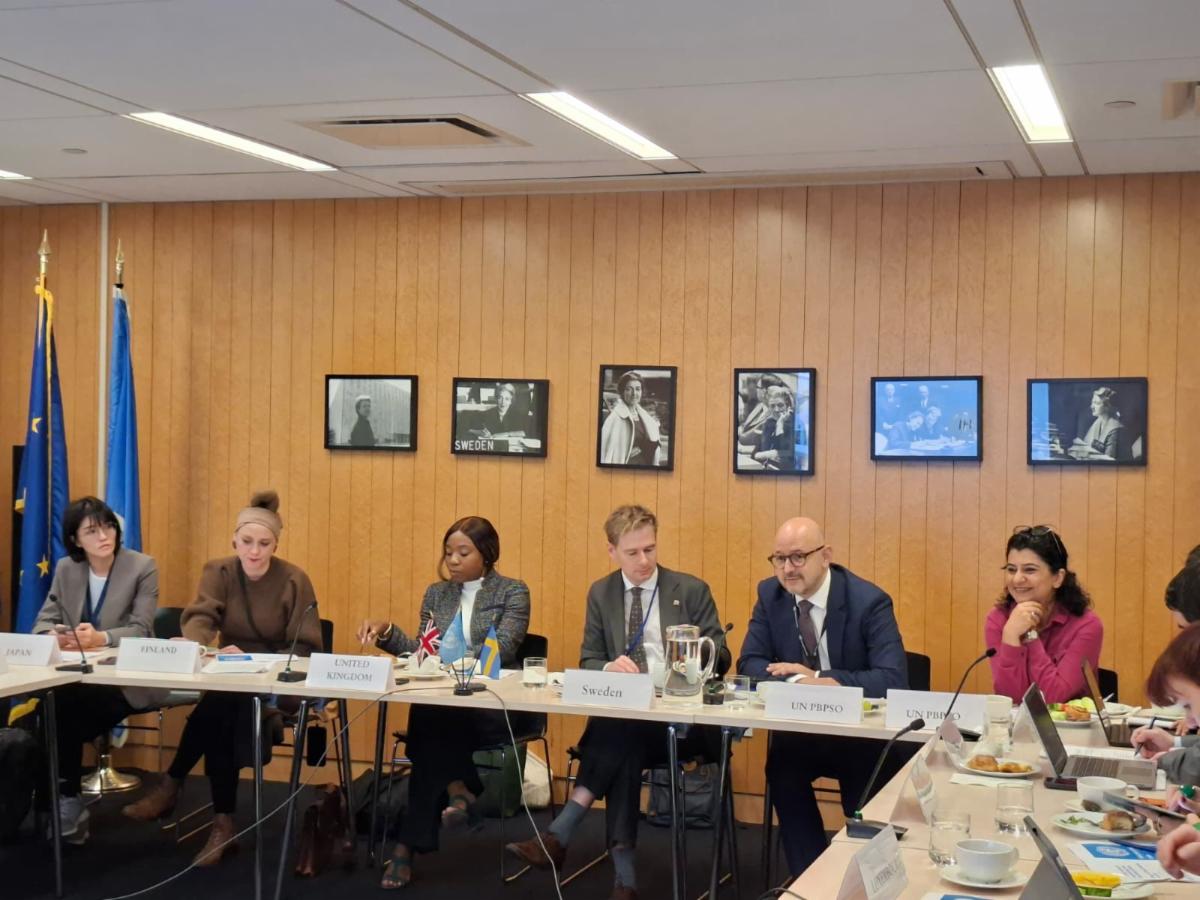
On 21 October, the Peacebuilding Fund’s Group of Friends held its third quarterly expert-level meeting, co-chaired by Sweden and the United Kingdom, to discuss findings from the independent evaluation of the Fund’s 2020–2026 Strategy and inform the development of its next Strategy (2027–2030). Participants stressed the importance of preserving the Fund’s flexibility, risk tolerance and catalytic role, while aligning the next Strategy with the Pact for the Future and the 2025 Peacebuilding Architecture Review. They also emphasized nationally owned prevention priorities, localization, inclusion and human rights, particularly the participation of women and youth. Discussions further highlighted the role of Resident Coordinators in strengthening UN system-wide coherence and the need for earlier engagement with international financial institutions to sustain and scale up peacebuilding efforts.
UN Special Envoy for Yemen seeks international support for renewed political process
From 15 to 20 October, Special Envoy of the Secretary-General for Yemen Hans Grundberg visited Berlin and London for discussions on recent developments in Yemen and the wider region, and efforts to advance a Yemeni-led political process under UN auspices. During his meetings, Grundberg emphasized the importance of sustained regional and international support for a negotiated settlement to the conflict. Warning that Yemen and the region are at a defining moment, he outlined his ongoing efforts to preserve a political path towards a comprehensive resolution of the conflict and lasting stability. Read more here.
Arnault visits UNIFIL and border towns in southern Lebanon
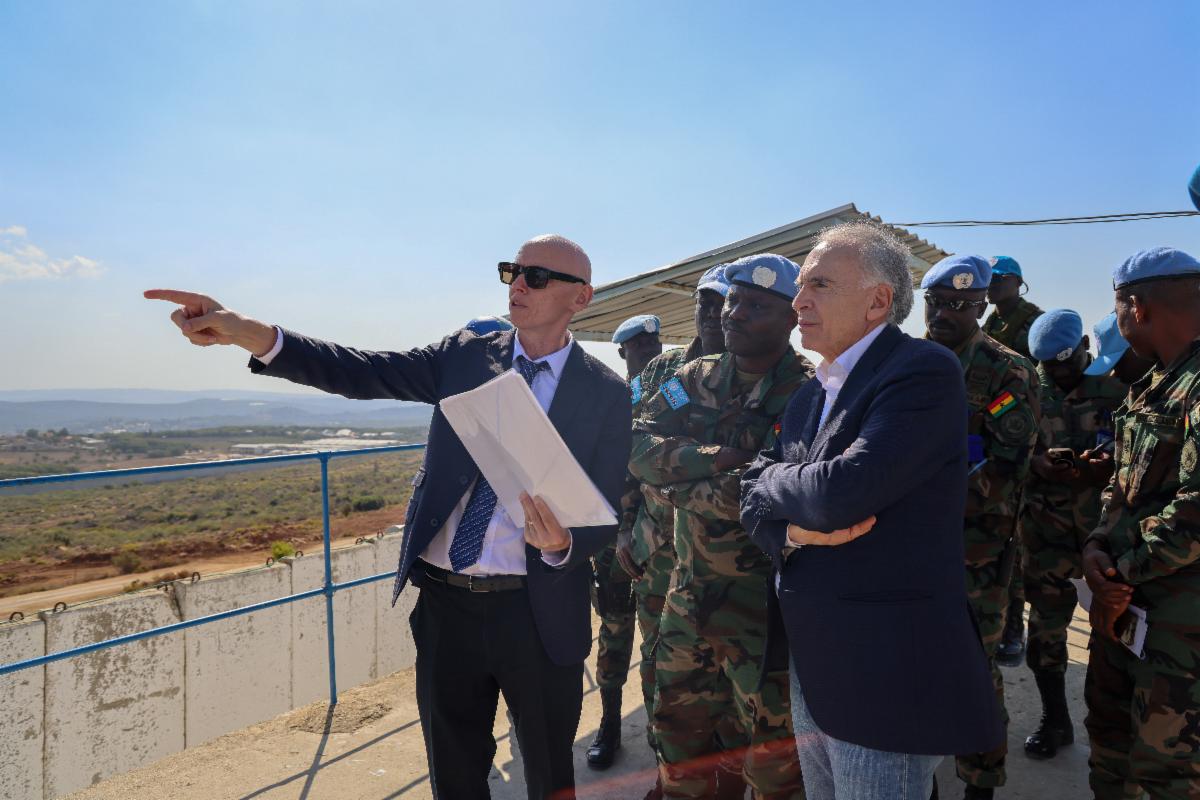
Officer-in-Charge of the Office of the United Nations Special Coordinator for Lebanon [and Personal Envoy of the Secretary-General on the Middle East conflict and its consequences] Jean Arnault spent two days visiting border areas in southern Lebanon, where he met with local authorities and residents of Dibil and Zibqin. Residents shared their experiences of living amid ongoing conflict, including difficulties accessing essential supplies and services and travelling to other parts of the country due to the continued Israeli military presence and restrictions on movement. Mr. Arnault reaffirmed the UN’s commitment to helping address humanitarian needs and pursuing longer-term peace, security and stability. Mr. Arnault also visited UNIFIL headquarters in Naqoura, where he met with Head of Mission and Force Commander Lieutenant General Diodato Abagnara and peacekeepers from various troop-contributing countries. He expressed appreciation for their dedication and commitment to peace and security in southern Lebanon, despite personal risks.
Jenča engages Colombian authorities on development and peace priorities
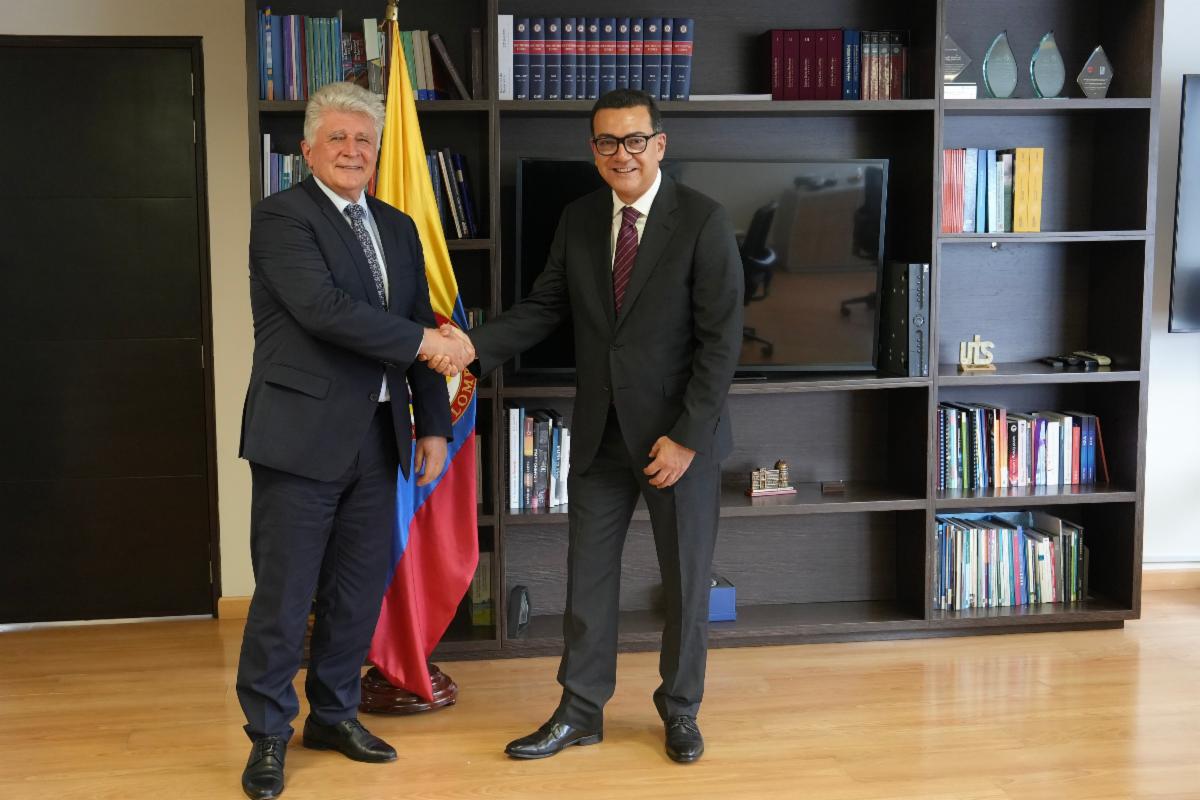
On 21 October, SRSG and Head of the United Nations Verification Mission in Colombia (UNVMC) Miroslav Jenča met with National Planning Department Director Julián Buitrago Arango in Bogotá as part of preparations for Colombia’s National Development Plan. Discussions focused on development, security and peace, including efforts to strengthen State presence in regions most affected by armed conflict. Jenča offered the government the benefit of more than ten years of experience and the territorial presence of the UN Verification Mission in Colombia.
UNSMIL and UNDP support young women journalists in Libya
This week, twelve young Libyan women from across the country gathered in Tripoli for a three-day workshop to strengthen their journalism and storytelling skills. The workshop marked the launch of Storytelling Libya, a three-month training initiative jointly organized by the United Nations Support Mission in Libya (UNSMIL) and the United Nations Development Programme (UNDP) through the Basirah media professional development programme. Participants will develop in-depth stories examining how Libya’s ongoing political uncertainty affects the daily lives of ordinary people. The initiative aims to strengthen young women’s voices in journalism and support reporting on the social impact of Libya’s political challenges. Read more here.
DPPA and UNDP promote women’s participation in peace efforts in Ukraine
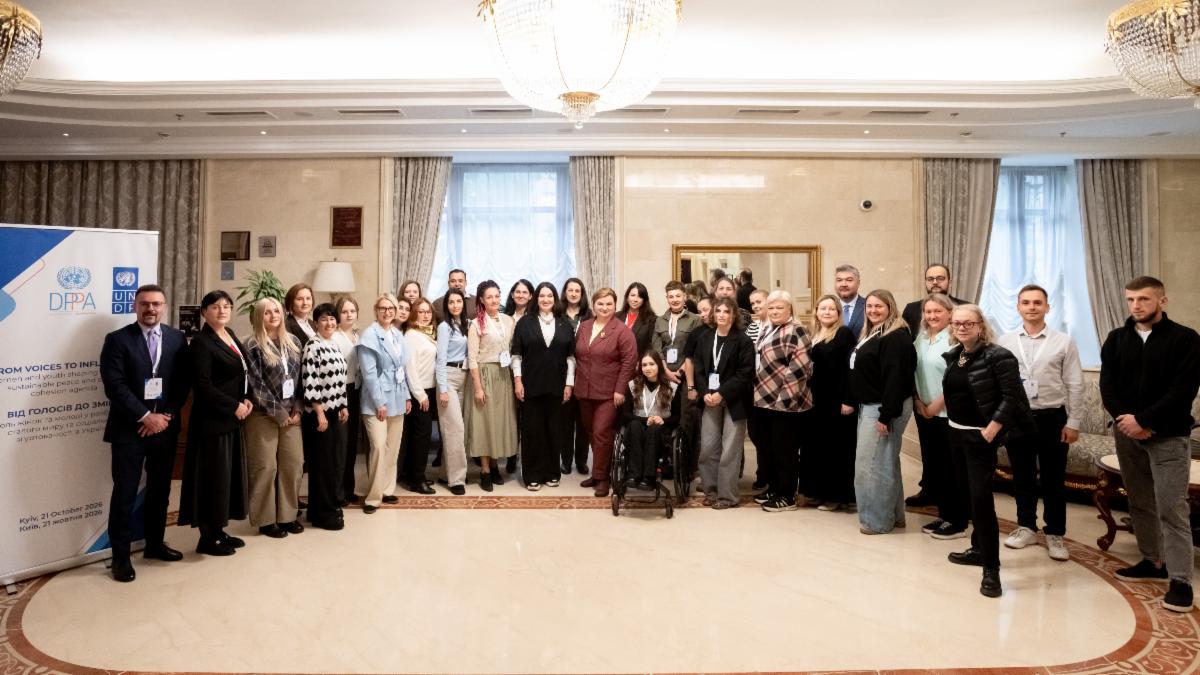
On 21 October, DPPA and UNDP convened a workshop in Kyiv bringing together Ukrainian women and civil society representatives to discuss their role in shaping a just, lasting and sustainable peace. Building on a conference held last year, the workshop focused on translating dialogue into concrete action, strengthening women’s meaningful participation in peace efforts and ensuring that their experiences and priorities inform decision-making. Participants explored practical ways to amplify women’s voices, promote inclusive approaches to peacebuilding and strengthen social cohesion, underscoring the importance of women’s contributions to Ukraine’s future.
DPPA highlights online violence against women as a barrier to political participation
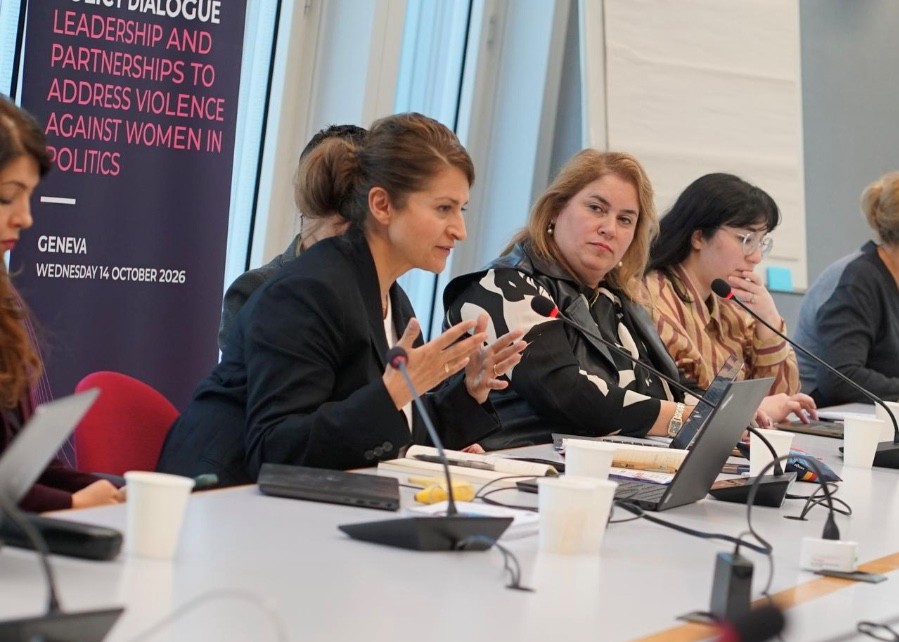
DPPA’s Electoral Assistance Division co-hosted and participated in a series of events at the Geneva Peace Forum from 13 to 15 October, addressing technology-facilitated violence against women in politics. Organized with UNDP, the Swedish International Development Cooperation Agency and the Geneva Institute for Human Rights, discussions examined how online threats, intimidation and harassment increasingly affecting women in political and public life, creating barriers to seeking office, exercising leadership, and participating fully in political processes. Participants called for improved monitoring, more timely institutional responses and stronger coordination among stakeholders. The discussions also highlighted ongoing UN electoral assistance efforts to help countries identify and address these threats, while underscoring the challenges of responding to a growing problem amid constrained resources.
UNRCCA engages young people on water security and climate diplomacy in Central Asia
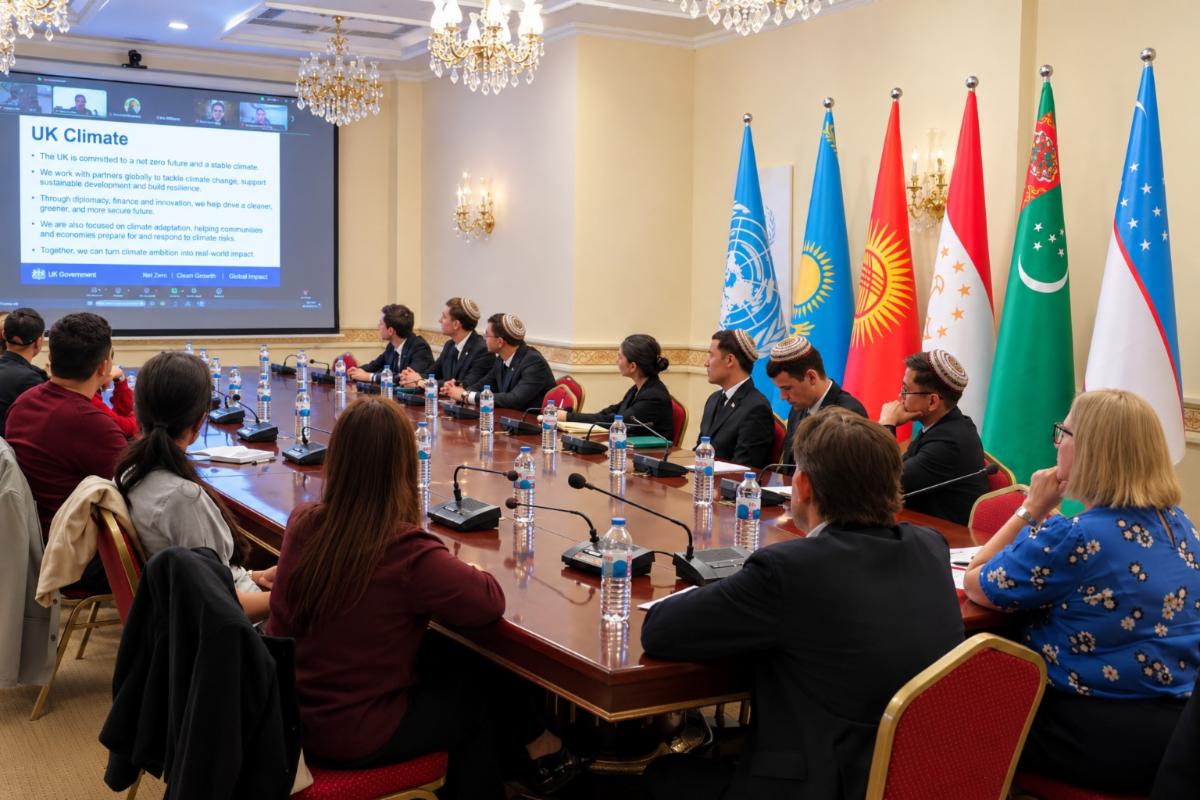
On 21 October, the United Nations Regional Centre for Preventive Diplomacy for Central Asia (UNRCCA), in cooperation with the British Embassy in Ashgabat, convened an online session of its Preventive Diplomacy Academy on water security and climate change in Central Asia. Representatives of the United Kingdom outlined priorities for COP31 and examined regional climate and water trends, highlighting shared challenges and opportunities for cooperation. Participants also explored UNRCCA’s efforts to promote dialogue on shared water resources, strengthen confidence-building and prevent tensions. The session underscored the role of climate diplomacy and regional cooperation in addressing environmental challenges, supporting sustainable development and engaging young people in preventive diplomacy. Read more here.
UN Verification Mission highlights urban reintegration initiatives in Bogotá
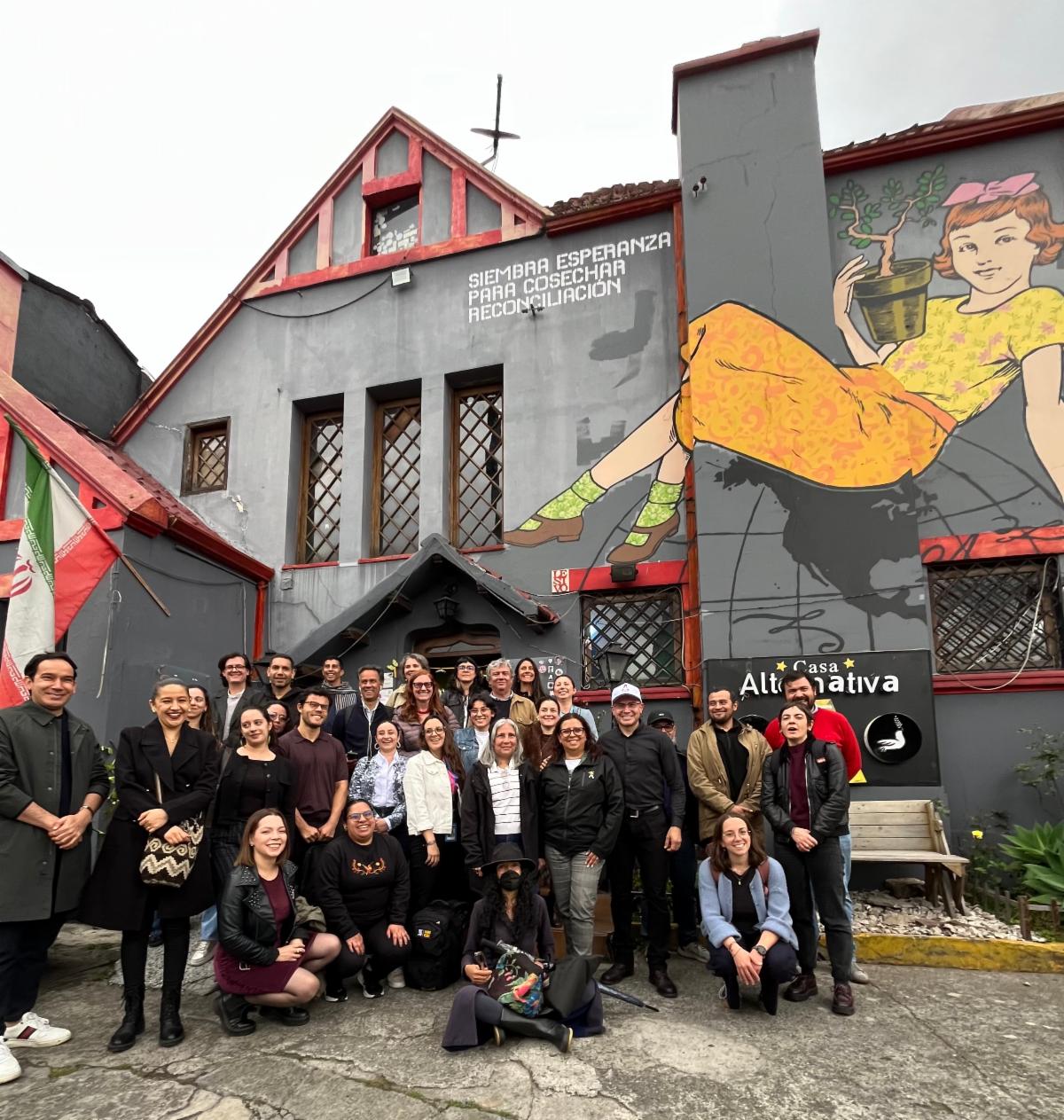
On 21 October, representatives from the embassies of France, Ireland and Switzerland, the Spanish Agency for International Development Cooperation (AECID) and the European Union visited urban reintegration initiatives in Bogotá. Organized by the Bogotá Commissioner for Peace, the Agency for Reincorporation and Normalization (ARN) and the United Nations Verification Mission in Colombia, the visit provided an opportunity to engage with peace agreement signatories and victims involved in productive initiatives. Participants visited the Casas de Paz, including cafés, restaurants and community spaces that support economic reintegration, promote cultural activities and contribute to reconciliation and sustainable livelihoods.
Spehar strengthens partnerships for peacebuilding in Geneva and Bern
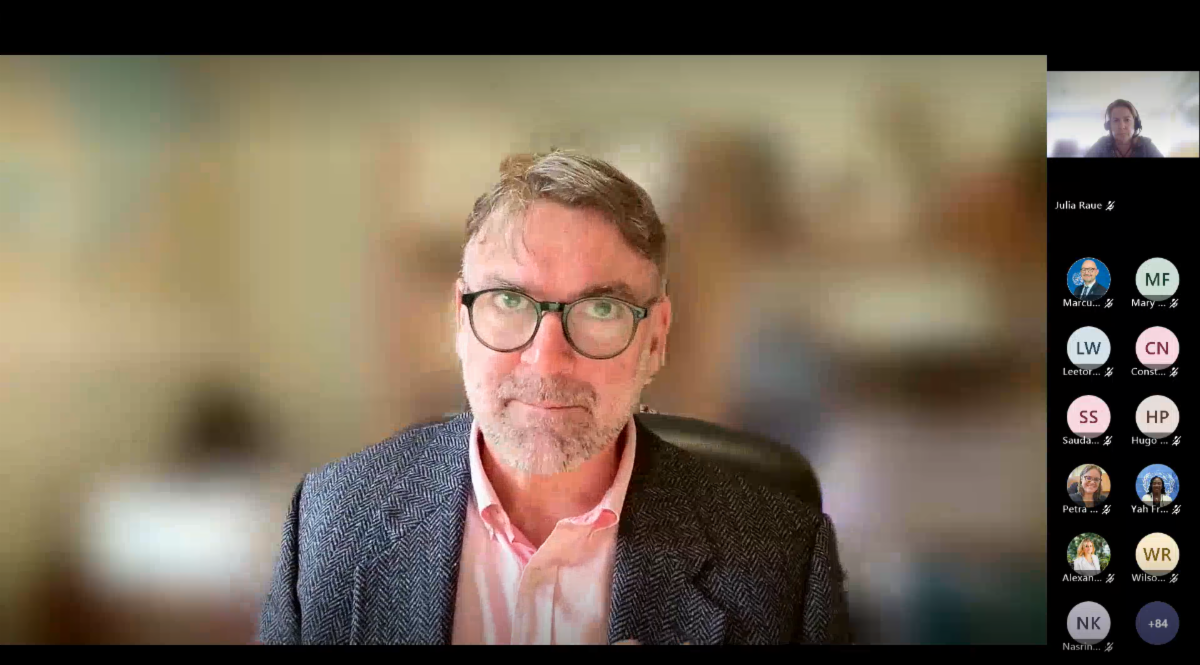
On 22 October, the UN Community of Practice on Transitional Justice held an interactive webinar with Bernard Duhaime, Special Rapporteur on the promotion of truth, justice, reparation and guarantees of non-recurrence. The session provided an overview of his mandate, working methods and recent thematic reports, as well as challenges encountered in carrying out his work. Drawing on experiences from diverse national and regional contexts, participants exchanged insights on opportunities and challenges in advancing transitional justice. Discussions also explored future thematic priorities and ways to strengthen collaboration between the Special Rapporteur and UN colleagues at the country, regional and headquarters levels.
Rabab Fatima assumes leadership of UNAMA in Afghanistan
On 18 October, Rabab Fatima arrived in Kabul to assume her functions as Special Representative of the Secretary-General for Afghanistan and Head of the United Nations Assistance Mission in Afghanistan (UNAMA). She brings more than 30 years of experience in diplomacy, policymaking and international public service. She previously served as Under-Secretary-General and High Representative for the Least Developed Countries, Landlocked Developing Countries and Small Island Developing States, and as Bangladesh’s Permanent Representative to the United Nations. In 2022, she became the first woman elected Chair of the Peacebuilding Commission. She succeeds Roza Otunbayeva as Head of UNAMA.
Next Week
The Security Council will hold a briefing on Iraq and Kuwait on Monday, 26 October, focusing on the Secretary-General’s report on the implementation of resolution 2792 (2025). Mari Yamashita, Senior Representative for the implementation of the resolution, will brief Council members. On Tuesday, 27 October, the Council will convene a meeting on women and peace and security at 3 p.m. During the week, the Council is also expected to vote on a draft resolution renewing the mandate of the United Nations Verification Mission in Colombia, ahead of its expiry on 31 October.
On 29 October, the Committee on the Exercise of the Inalienable Rights of the Palestinian People will hold a briefing titled “Human Dignity Under Strain: The Humanitarian and Human Rights Consequences in the Occupied Palestinian Territory.” The event will take place from 10 a.m. to 1 p.m. (New York time) in the ECOSOC Chamber at UNHQ in New York and will be livestreamed on UN Web TV. For further information, please visit here.


