

A brief roundup of United Nations political and peacebuilding events and developments globally.
Grundberg calls for renewed political engagement as fighting escalates in Yemen
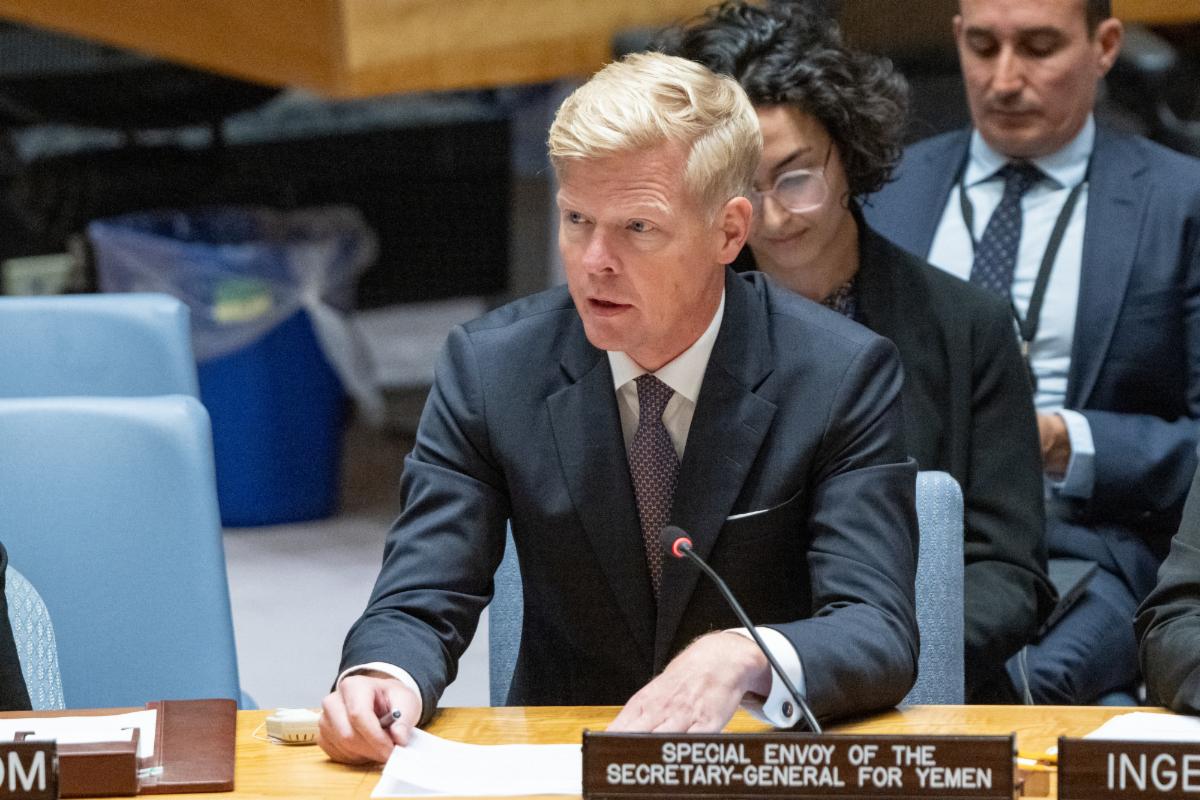
On 9 October, Special Envoy of the Secretary-General (SESG) for Yemen Hans Grundberg warned the Security Council that Yemen had returned to full-scale war, with fighting intensifying across multiple frontlines and the humanitarian situation deteriorating, particularly in Taiz. Urging all parties to respect international humanitarian law, he stressed that military gains cannot replace negotiations and called for a credible, Yemeni-owned political process. He also renewed his call for the unconditional release of 72 UN personnel detained by the Houthis. Earlier, on 6 October, Mr. Grundberg concluded a visit to Washington, D.C., where he discussed developments in Yemen and regional security with senior US officials, underscoring the importance of sustained international support for a political solution.
Khiari warns of escalating attacks on civilians in Ukraine, calls for renewed diplomacy
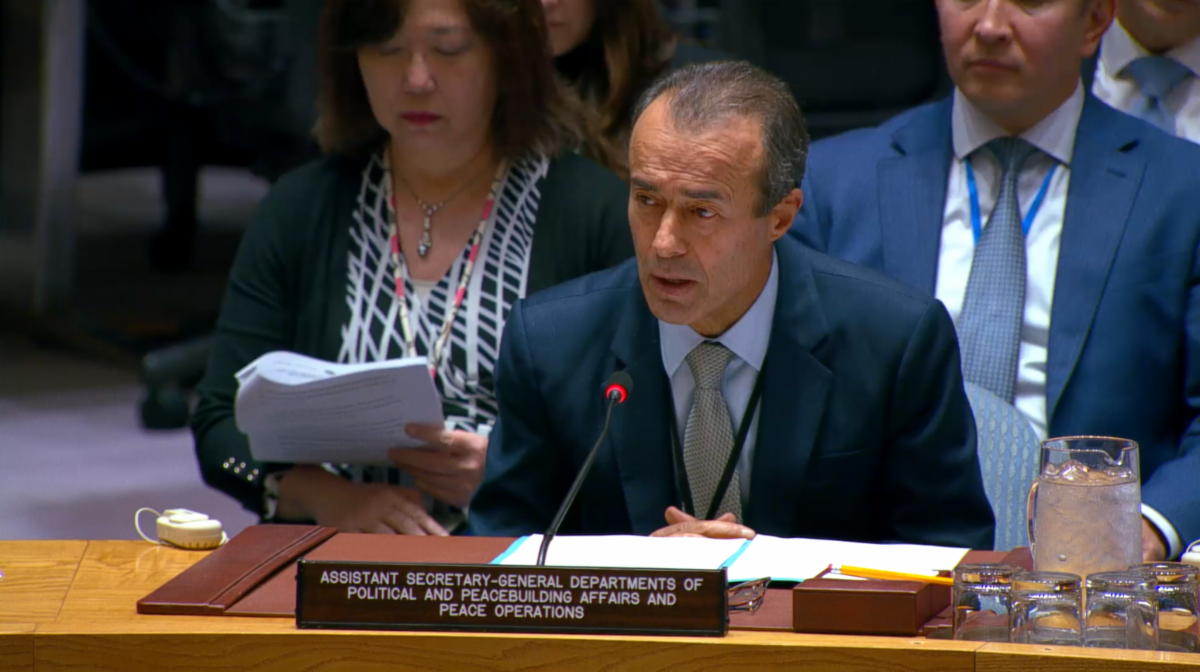
Briefing the Security Council on 9 October, Assistant Secretary-General (ASG) for the Middle East, Europe, the Americas, Asia and the Pacific Khaled Khiari warned the Security Council of a sharp escalation in attacks on Ukraine, with more than 100 civilians killed and at least 429 injured in the past week, according to OHCHR. He condemned attacks against civilians and civilian infrastructure, highlighting growing damage to energy facilities ahead of winter and the risks posed by attacks on commercial shipping in the Black Sea. Mr. Khiari also expressed concern over civilian casualties in the Russian Federation and the dire humanitarian situation in Russian-occupied areas of Ukraine. Urging an immediate end to attacks against civilians, he called for a full, immediate and unconditional ceasefire leading to a just, comprehensive and lasting peace in accordance with international law and the UN Charter.
Secretary-General’s latest report highlights progress and challenges in Colombia’s peace process
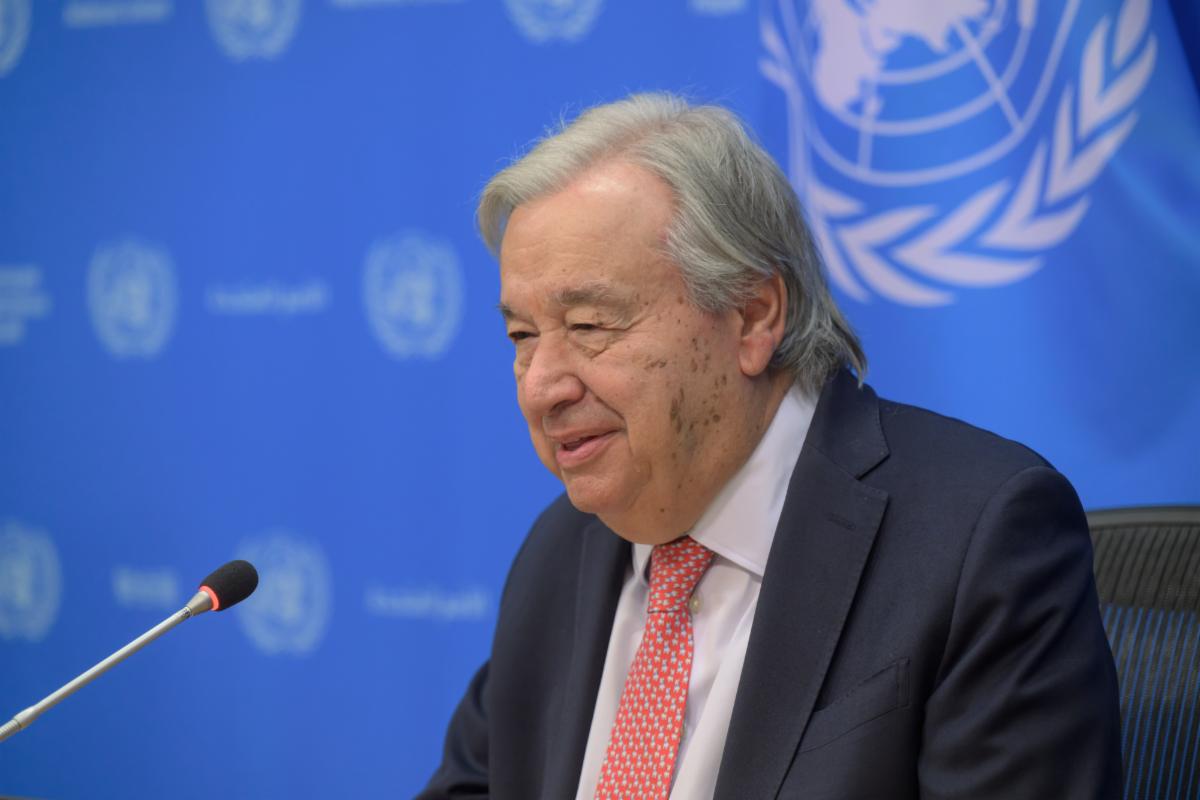
In his latest report on Colombia, covering the period from 27 June to 26 September, Secretary-General António Guterres underscored the resilience of Colombian institutions and society and the continued relevance of the Final Peace Agreement in advancing security, development and stability. The report noted progress in rural reform and the reintegration of more than 11,000 former combatants, while expressing concern over persistent violence against former combatants, social leaders and communities in conflict-affected areas. Amid Colombia’s political transition, the Secretary-General stressed the importance of maintaining continuity in implementing the Agreement, strengthening security guarantees and expanding State presence. Special Representative of the Secretary-General (SRSG) and Head of the United Nations Verification Mission in Colombia (UNVMC) Miroslav Jenča will present the report to the Security Council on 12 October.
DiCarlo concludes Afghanistan visit, calls for continued engagement and progress on women’s rights
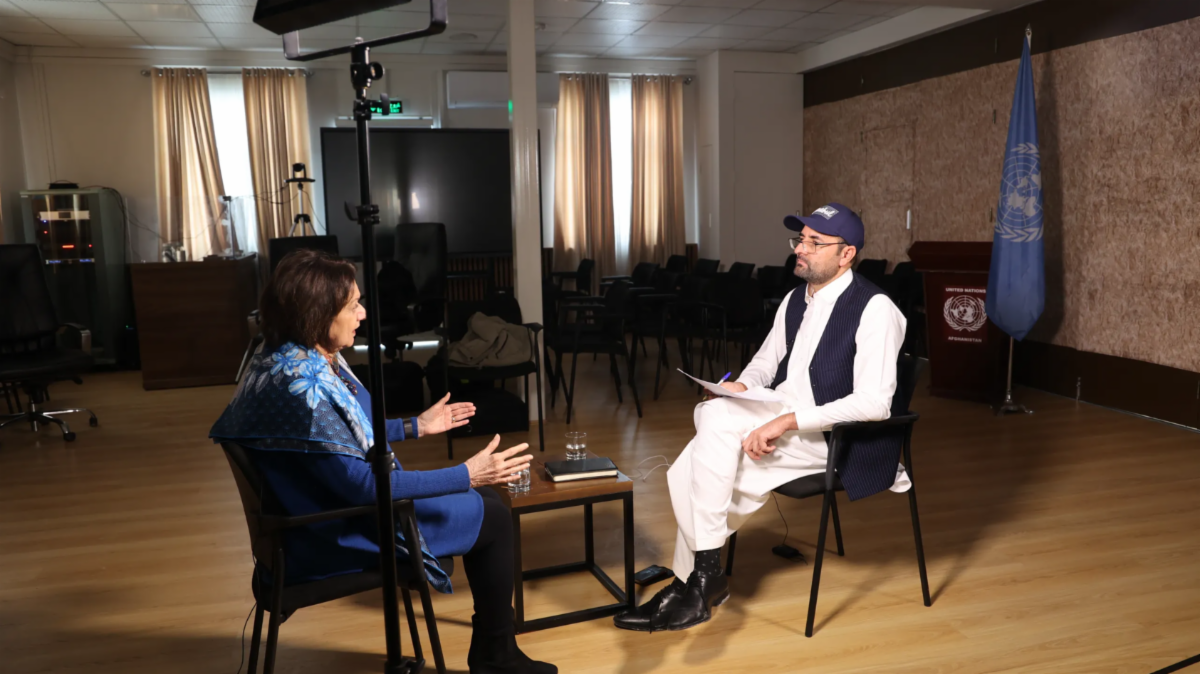
On 6 October, Under-Secretary-General (USG) for Political and Peacebuilding Affairs Rosemary DiCarlo concluded a visit to Afghanistan, where she met with the de facto authorities, civil society representatives, women leaders and Afghan female UN personnel. She reaffirmed the UN’s commitment to advancing the Doha process, noting progress in working groups on counter-narcotics and the private sector while calling for further practical results. USG DiCarlo also raised concerns about restrictions on women and girls, including access to education and those affecting Afghan female UN personnel. She underscored the UN’s continued support for the Afghan people amid socioeconomic, climate-related and humanitarian challenges.
Arnault engages regional leaders on peace and stability in Lebanon
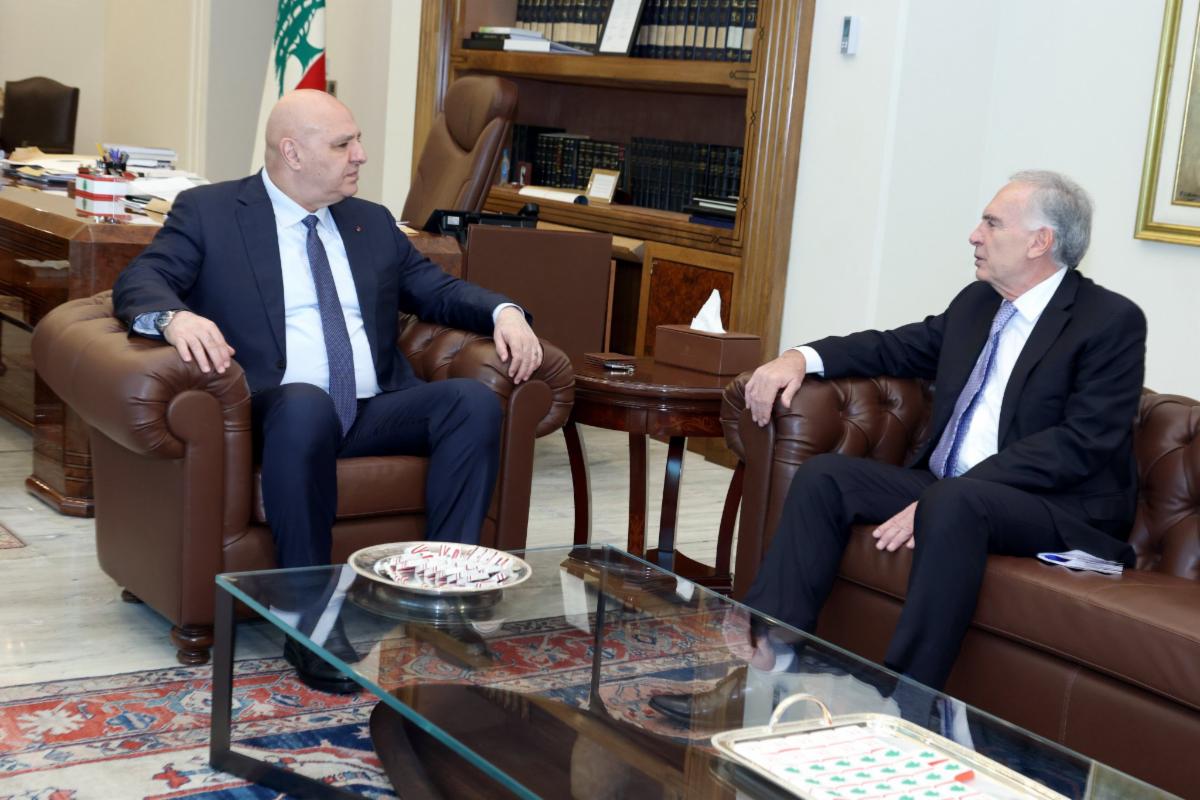
From 4 to 6 October, Officer-in-Charge of the Office of the United Nations Special Coordinator for Lebanon (UNSCOL) [and Personal Envoy of the Secretary-General on the Middle East conflict and its consequences] Jean Arnault visited Tehran, where he met with Iranian Foreign Minister Abbas Araghchi to discuss regional developments and prospects for international cooperation in support of peace and stability. On 9 October, Mr. Arnault met with Lebanese President Joseph Aoun to exchange views on developments in Lebanon and the wider region, as well as the UN’s continued engagement in the country.
Onanga-Anyanga calls for stronger UN–AU cooperation on peace and security
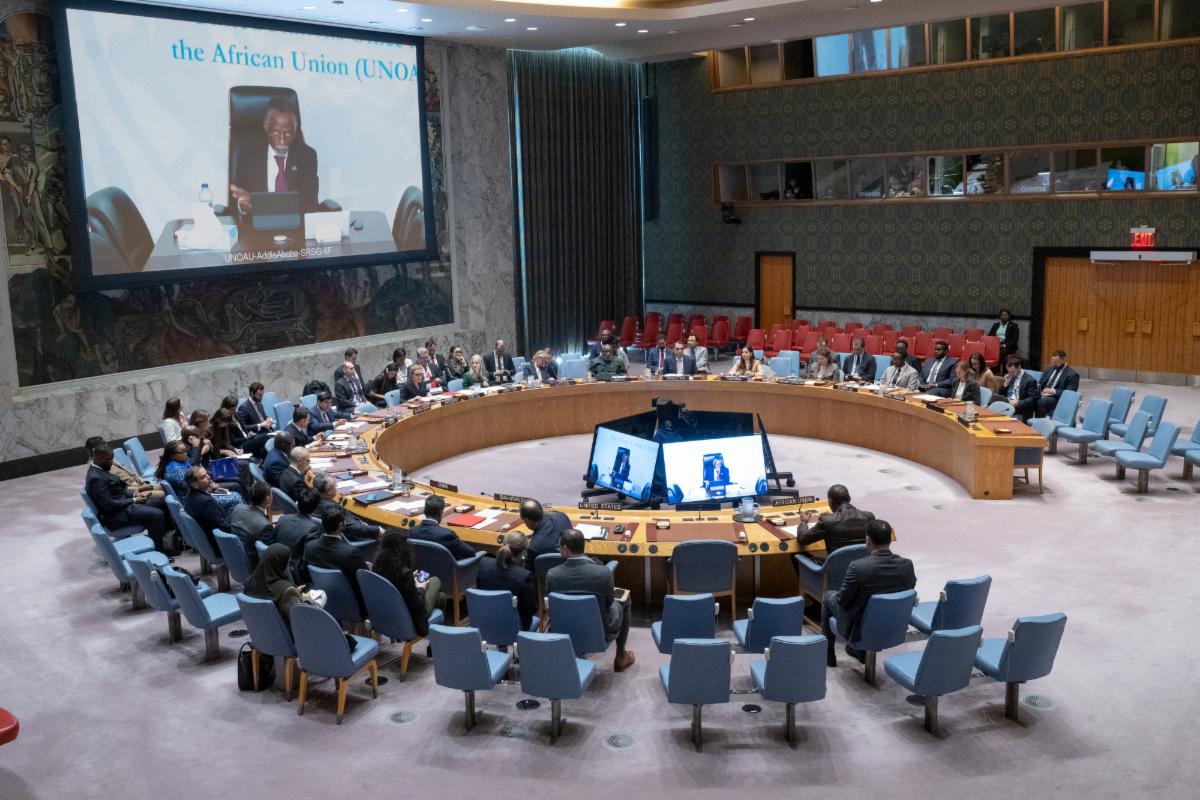
On 6 October, SRSG and Head of the United Nations Office to the African Union (UNOAU) Parfait Onanga-Anyanga briefed the Security Council on cooperation between the United Nations and the African Union, stressing the need for a stronger partnership to anticipate crises, address underlying drivers of conflict and translate shared commitments into action. He called for greater investment in conflict prevention, mediation and nationally owned political processes, alongside sustainable support for African-led peace operations. Onanga-Anyanga also underscored the importance of closer UN–AU coordination to ensure timely, predictable and accountable responses to peace and security challenges across Africa.
UNOCA and ECCAS adopt joint work plan to strengthen conflict prevention in Central Africa
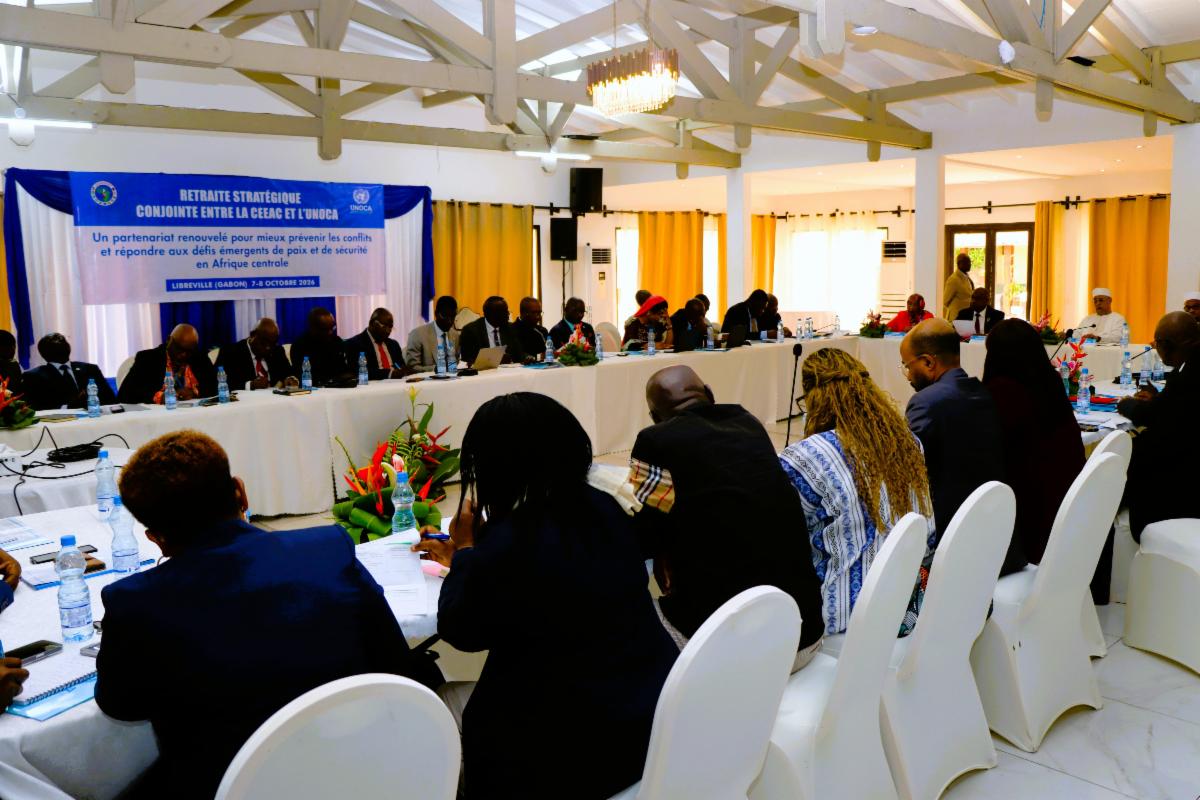
On 7 and 8 October, the United Nations Regional Office for Central Africa (UNOCA) and the Economic Community of Central African States (ECCAS) held a joint retreat in Libreville, Gabon, where they adopted a Joint Work Plan for 2026–2027. The retreat focused on strengthening cooperation to prevent conflicts and address emerging peace and security challenges in Central Africa. Participants reviewed shared priorities, assessed the respective strengths of both organizations and identified areas for closer collaboration. The new work plan aims to translate their partnership into coordinated action in support of regional peace and stability.
Earlier in the week, UNOCA published a new assessment examining the links between climate change, environmental degradation, displacement and tensions over natural resources in eastern Chad. Read the new report here.
Simão concludes good offices mission in Côte d’Ivoire
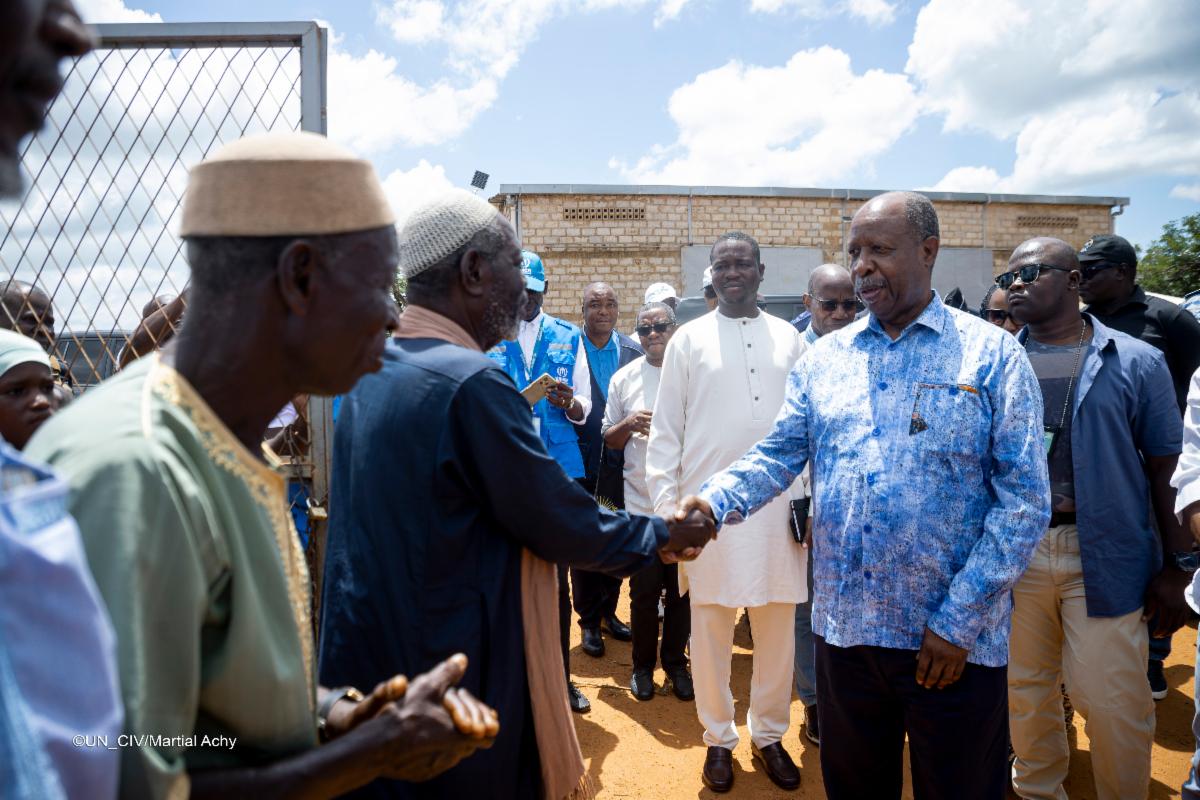
On 4 October, SRSG and Head of the United Nations Office for West Africa and the Sahel (UNOWAS) Leonardo Santos Simão concluded a week-long good offices mission to Côte d’Ivoire, where he engaged government officials and political parties on national dialogue, electoral reform and regional peace and security. During the visit, He met with Ivorian authorities, as well as opposition parties and the ruling party to discuss peace and security, electoral reform and national political dialogue. On 29 September, he signed a Memorandum of Understanding with the Conseil de l’Entente to strengthen cooperation on preventive diplomacy, early warning, mediation and peacebuilding. He also visited the Korhogo region to learn about efforts to support refugees.
UNOWAS underscores the importance of civic space and water governance for peace
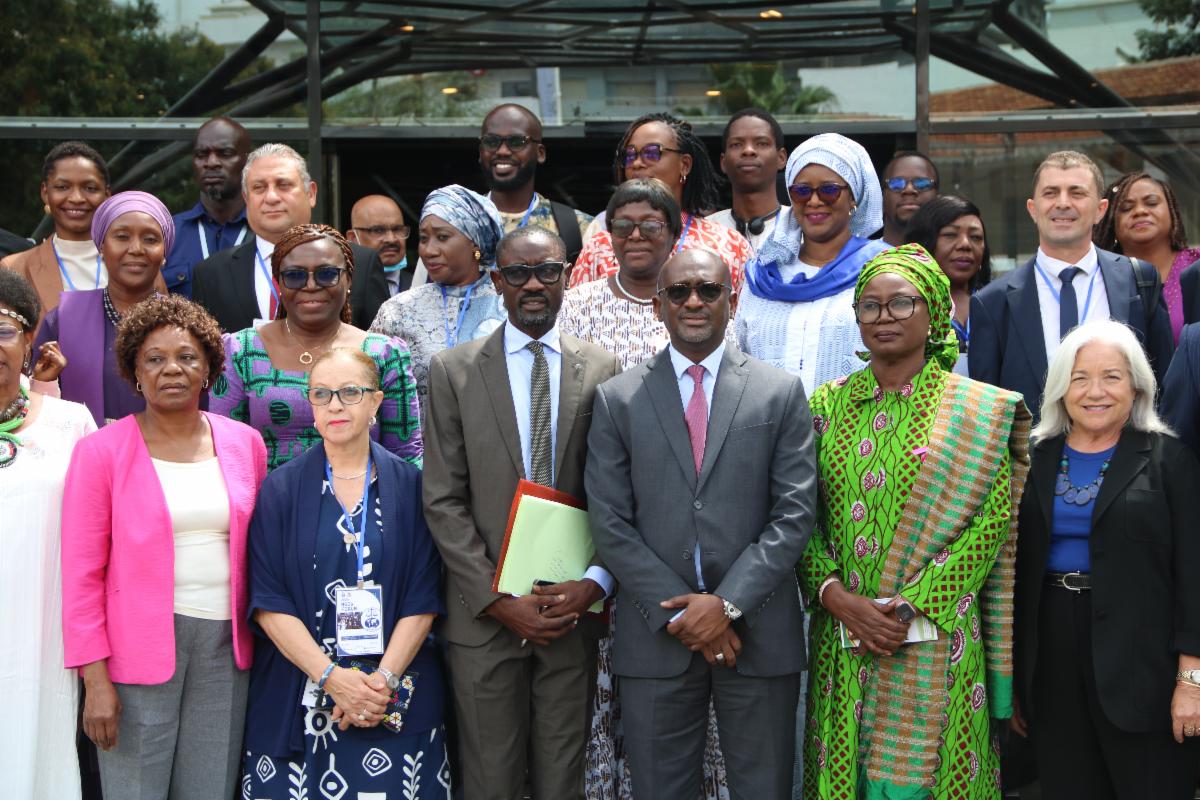
On 8 October, Deputy SRSG of UNOWAS Barrie Freeman addressed the opening of the NGO Forum in Dakar, ahead of the 89th Ordinary Session of the African Commission on Human and Peoples’ Rights. She highlighted the links between human rights, climate resilience and conflict prevention, stressing that equitable water management can help reduce tensions between communities. Freeman also underscored the vital role of civil society in protecting human rights and strengthening accountability, while expressing concern over growing restrictions on civic space. "NGOs have the right to operate in a safe and enabling environment," she said, reaffirming UNOWAS' commitment to stand alongside civil society in defending civic space.
UNSMIL-facilitated talks address judicial divisions and electoral process in Libya
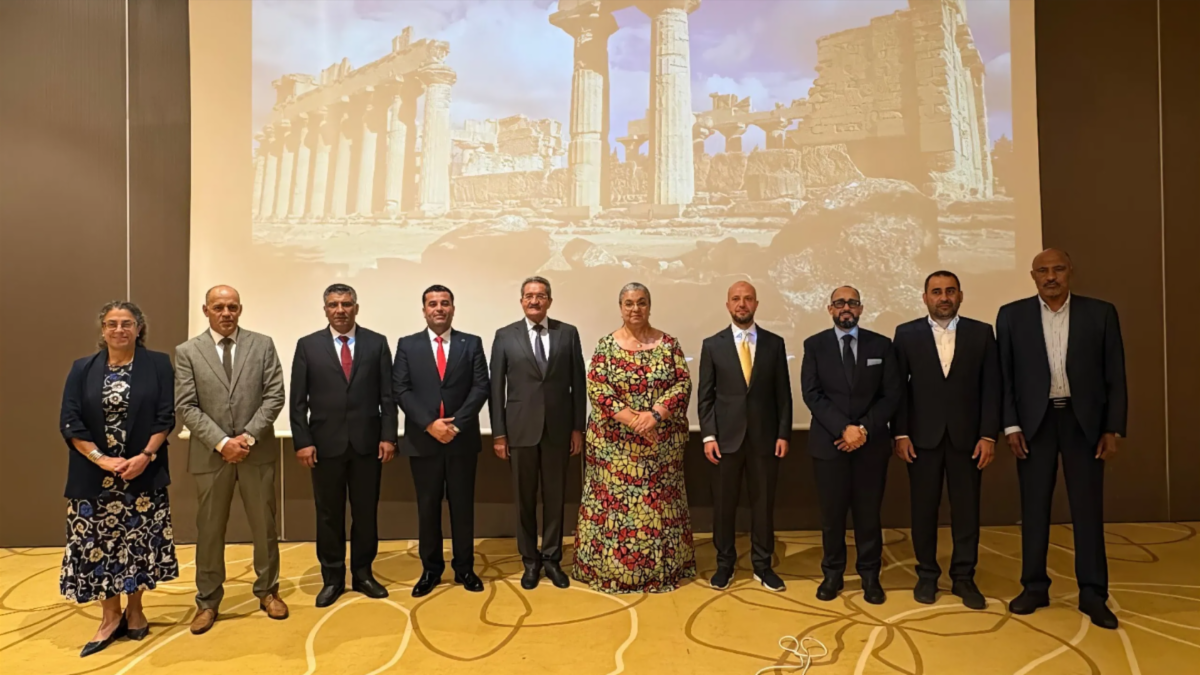
On 4 October, members of the Smaller Convening met in Tunis under the chairmanship of SRSG and Head of the United Nations Support Mission in Libya (UNSMIL) Hanna Tetteh to discuss the potential impact of divisions within Libya’s judiciary on the electoral process. Participants stressed the need to resolve these divisions while safeguarding judicial independence and ensuring the integrity and broad acceptance of future election results. They reaffirmed their commitment to implementing the 30 August agreement and incorporating the outcomes of subsequent consultations into a comprehensive constitutional framework. Members also agreed to continue engaging with Libyan stakeholders to build broader support for the agreement and to meet again before the end of October.
UNRCCA highlights regional cooperation on counter-terrorism in Central Asia
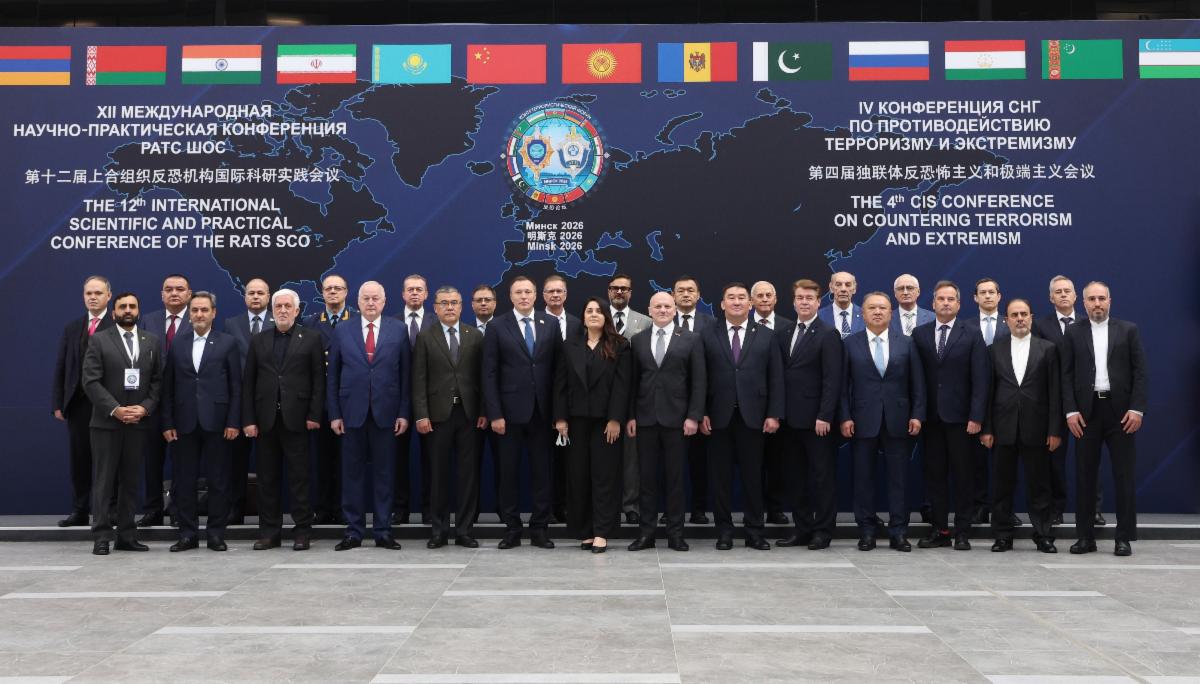
From 6 to 8 October, the United Nations Regional Centre for Preventive Diplomacy for Central Asia (UNRCCA) participated in a regional conference on countering terrorism and extremism in Minsk, Belarus, bringing together representatives of the Shanghai Cooperation Organization (SCO), the Commonwealth of Independent States (CIS), UN entities and other international partners. Discussions focused on regional counter-terrorism cooperation, terrorist financing and the role of emerging technologies, including artificial intelligence. UNRCCA highlighted its work to advance implementation of the UN Global Counter-Terrorism Strategy in Central Asia through the Joint Plan of Action, including a multi-year project with the UN Office of Counter-Terrorism and regional partners.
UNVMC brings generations together to promote peace in Cauca
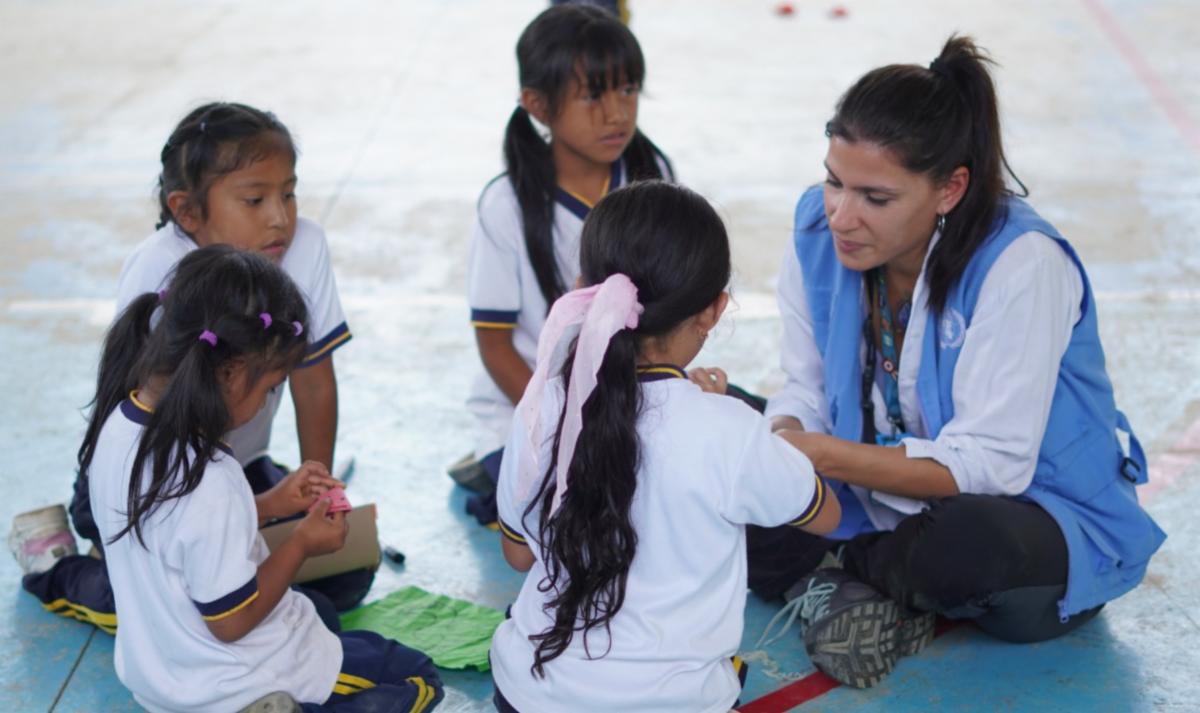
On 3 October, the United Nations Verification Mission in Colombia (UNVMC) joined UNDP Colombia and the Municipal Peace Council for a community event in La Capilla, Corinto, Cauca, as part of Colombia’s Month for Peace. Bringing together different generations, the event promoted dialogue, peaceful coexistence and community participation in peacebuilding. The Mission engaged children through recreational and environmental activities and introduced its Pathways Colombia virtual reality experience, highlighting stories of peacebuilding. Community members also met with representatives of the Cauca Governor’s Office to discuss conflict resolution mechanisms and gender-related issues.
Students promote peace and human rights in Colombia
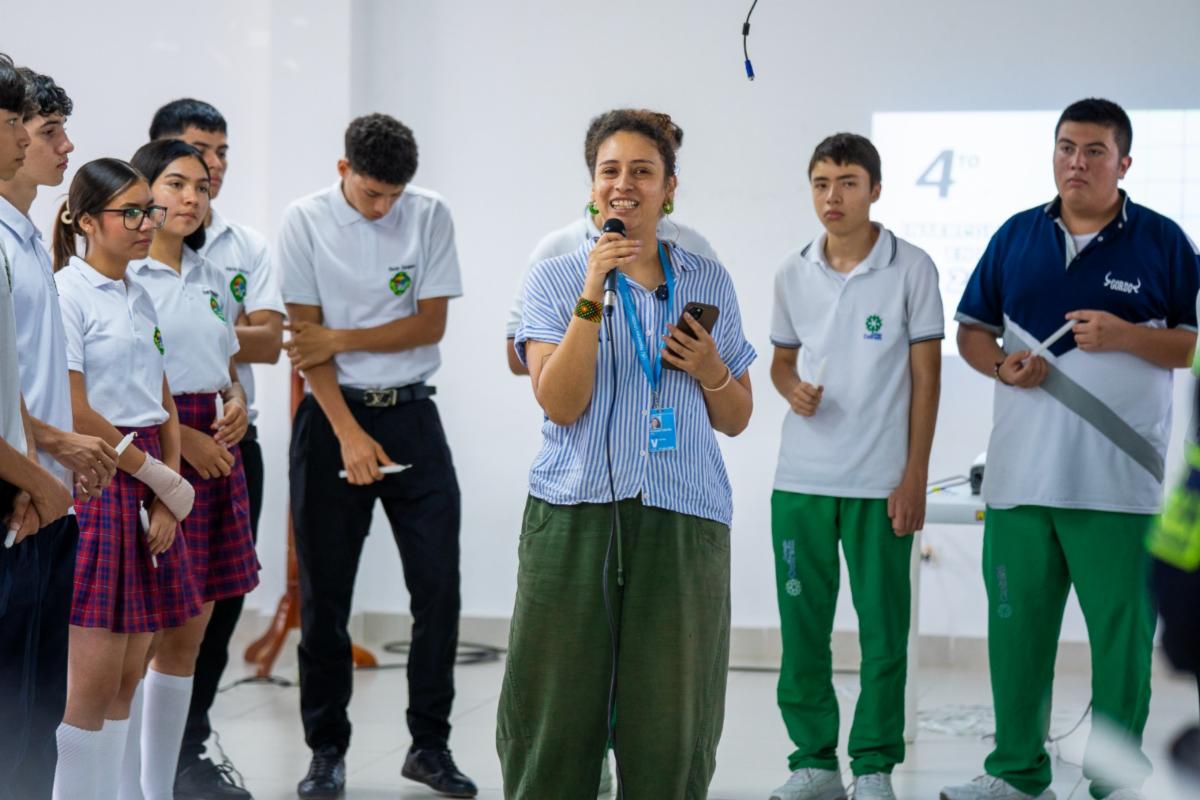
On 3 October, students from several schools gathered in San Martín, Meta, for the fourth Inter-School Human Rights Meeting, organized by the Municipal Peace Council with support from the United Nations Verification Mission in Colombia (UNVMC). Led by the Mayor’s Office and the Municipal Ombudsperson’s Office, the event focused on the rights of children affected by armed conflict, women’s rights and gender equality. Students shared their perspectives and discussed how young people can contribute to peacebuilding, respect for human rights and more inclusive communities.
DPPA helps advance electoral reform discussions in Liberia
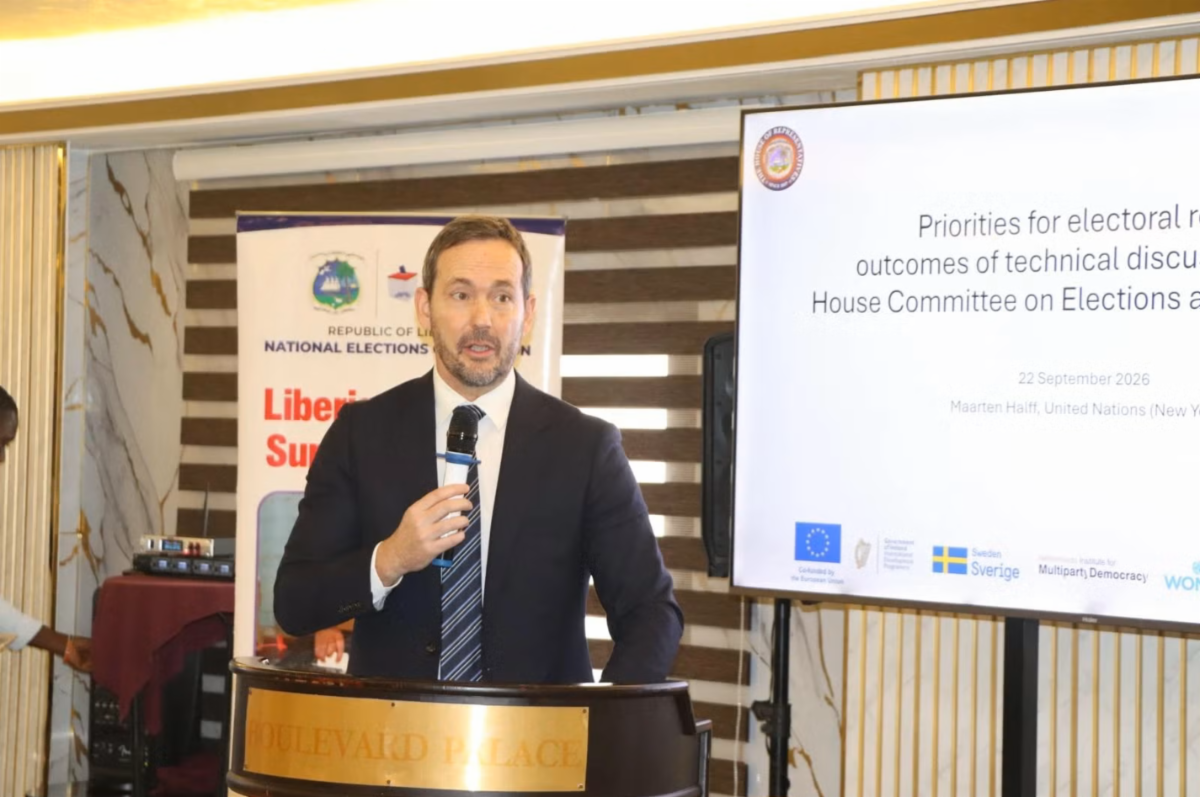
From 21 September to 2 October, DPPA’s Electoral Assistance Division deployed a senior electoral expert to Monrovia, Liberia, to support national discussions on electoral reform co-hosted by UNDP and UN Women. Key priorities on the national electoral reform agenda include increasing women’s participation in future elections and reviewing the geographic distribution of legislative seats. Through meetings with members of the Legislature, the National Elections Commission, political party youth wings and civil society representatives, the expert shared international experiences and facilitated exchanges on reform options suited to Liberia’s context. The Liberian Legislature is expected to consider concrete reform proposals during its current session.
DPPA assesses electoral assistance needs in Timor-Leste ahead of upcoming elections
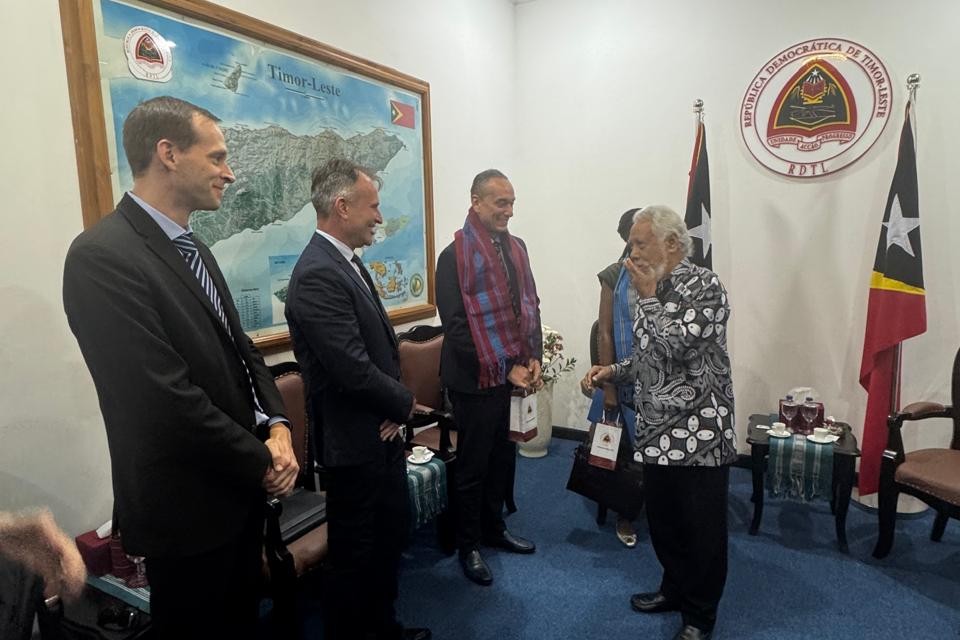
From 24 September to 2 October, a UN electoral needs assessment mission led by DPPA’s Electoral Assistance Division visited Timor-Leste at the Government’s request. Ahead of presidential elections expected in March 2027, potential municipal elections later that year and parliamentary elections in 2028, the mission met with the Prime Minister, national stakeholders and international partners to assess priorities and discuss possible UN support. Building on the country’s electoral achievements, any UN support would aim to further strengthen national capacity and promote trust and inclusive participation among voters, political parties and the broader public.
Peacebuilding Fund consultations inform development of new strategy
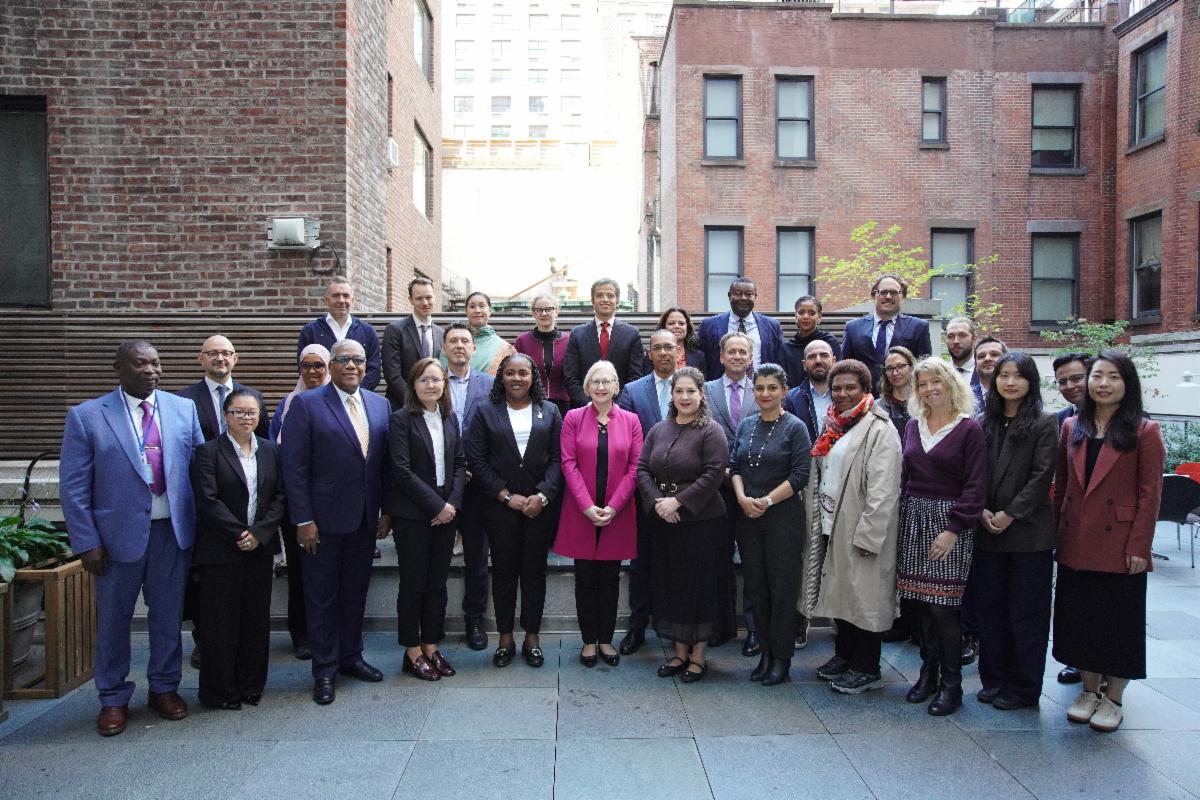
On 6 October, the Peacebuilding and Peace Support Office (PBPSO) convened a workshop in New York to review preliminary findings and recommendations from the independent evaluation of the Peacebuilding Fund (PBF) Strategy 2020–2026. Bringing together government and civil society representatives from programme countries and evaluation stakeholders, discussions highlighted the Fund’s role in supporting nationally owned peacebuilding and prevention efforts. On 7 October, participants also discussed priorities for the next PBF strategy, emphasizing nationally led prevention, whole-of-society approaches, innovative financing partnerships and evidence-based learning. The meetings formed part of a broader consultation process to shape the Fund’s future direction amid growing peacebuilding needs and constrained resources.
Next Week
Next week, the Security Council will hold briefings on Colombia and Syria on Monday, 12 October, followed by the Great Lakes region on 13 October and the United Nations Support Mission in Libya (UNSMIL) on 14 October. On 15 October, the Council will convene an open debate on the situation in the Middle East. The week will conclude on 16 October with discussions on Sudan, including resolution 2715 (2023), and a briefing by the Security Council Committee established pursuant to resolution 1591 (2005) concerning the Sudan.
Beyond a Seat at the Table: Women Shaping Peace in Eastern DRC
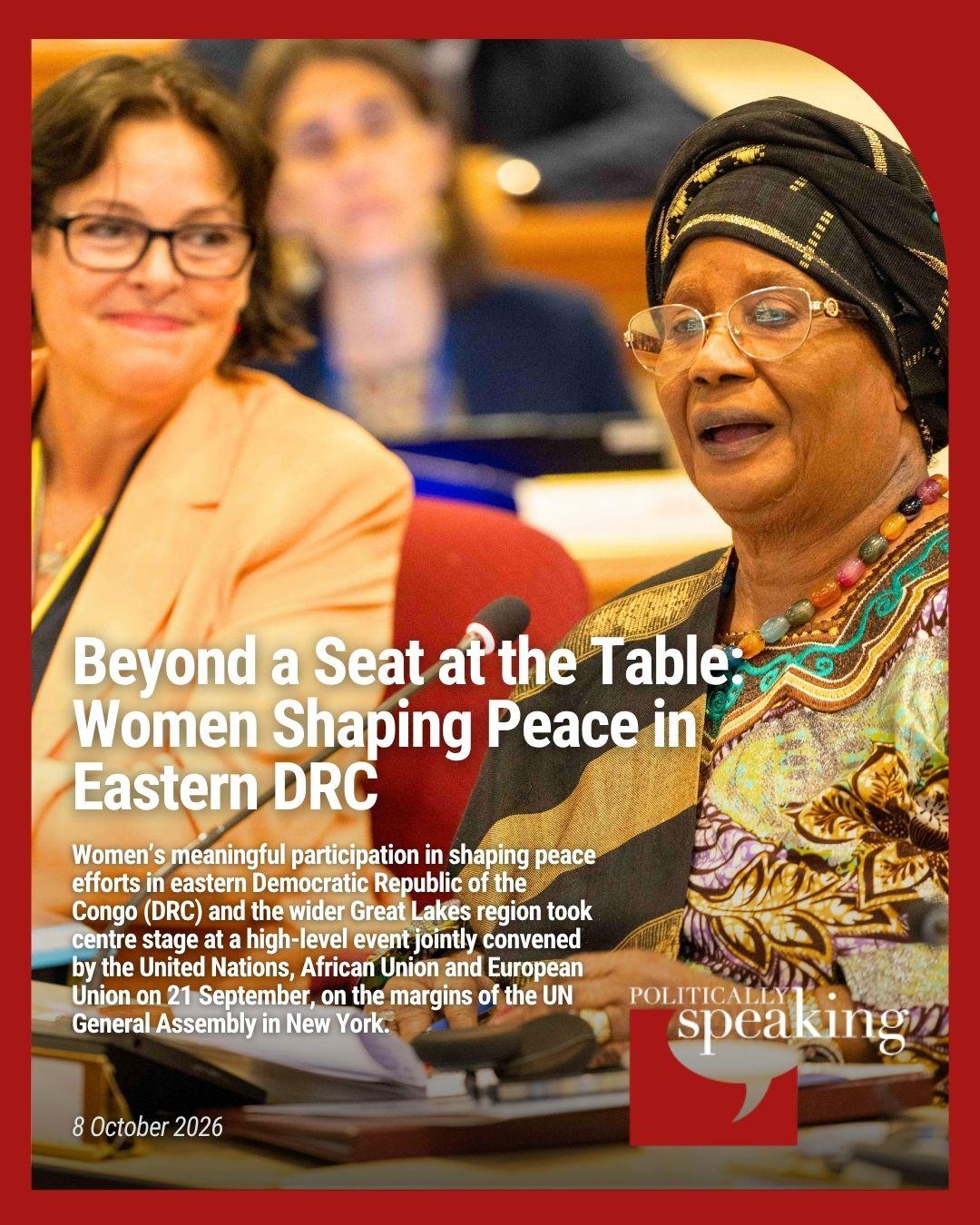
Women’s meaningful participation in shaping peace efforts in eastern Democratic Republic of the Congo (DRC) and the wider Great Lakes region took centre stage at a high-level event jointly convened by the United Nations, African Union and European Union on 21 September, on the margins of the UN General Assembly in New York.


