

Middle East
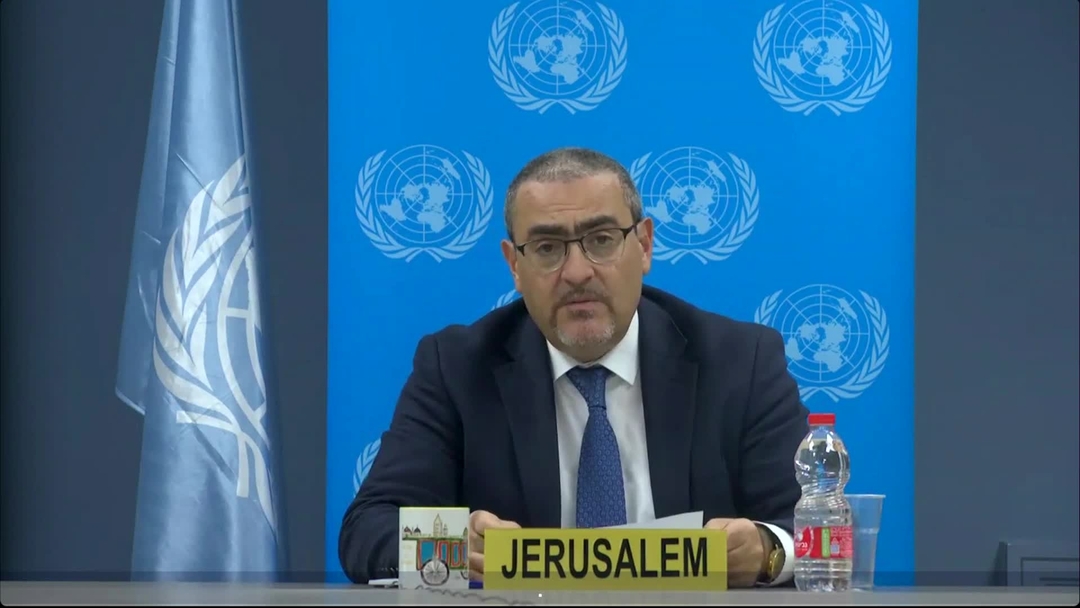
Ramiz Alakbarov, the acting Special Coordinator for the Middle East Peace Process, told the Security Council that, one year since the ceasefire was declared in Gaza, some progress has been made, but the situation remains extremely fragile. He said that Israeli military operations continue, causing some 1,500 Palestinian fatalities since the ceasefire came into effect, according to the Ministry of Health.
During his visit to Gaza on Sunday, Mr. Alakbarov witnessed that, for Palestinians living along the Yellow Line, the ceasefire exists in name only. Families throughout Gaza continue to live in squalid conditions in worn out tents, overcrowded displacement sites, and severely damaged buildings, with water and sanitation systems devastated, he said. He warned that continued paralysis risks hardening the status quo into a permanent reality.
In Gaza, he said, desperation is palpable. One year after the ceasefire, too many people have seen little or no improvement in their lives. This frustration cannot build indefinitely. The risk of a return to war has never been higher. This must be avoided at all costs.
In the West Bank, the acting Special Coordinator said that settler violence continues at extremely high levels, with daily attacks on Palestinians, their homes and other property, often in the presence of Israeli forces.
Communities are forcibly driven into ever more fragmented areas, he warned, eroding the territorial basis of a future sovereign Palestinian state.
Afghanistan
The UN Assistance Mission in Afghanistan(UNAMA) have issued their latest update on the human rights situation in the country from July to September.
In total, UNAMA documented at least 443 arbitrary arrests and detentions and 97 incidents of ill-treatment of Afghan women and men by de facto Propagation of Virtue and Prevention of Vice personnel. Several media outlets were also suspended during the period, and journalists continue to face arbitrary arrest.
The full report is available online here.
Central Asia
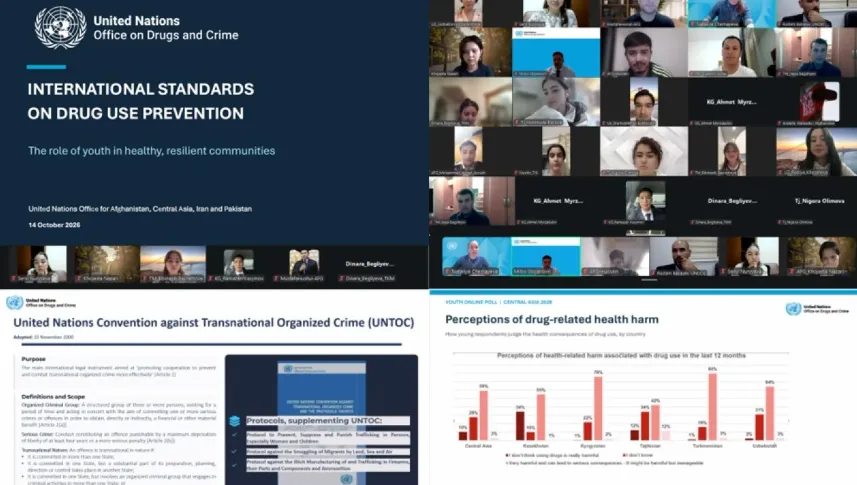
The UN Regional Centre for Preventive Diplomacy for Central Asia (UNRCCA), in cooperation with the United Nations Office on Drugs and Crime (UNODC), convened a Preventive Diplomacy Academy session for participants from Central Asia and Afghanistan. Drawing on the World Drug Report 2026and regional youth survey findings, discussions explored drug-use trends, health risks and evidence-based prevention approaches involving families, schools and communities. Participants also examined the international legal framework for combating trafficking in persons, including how exploitation is identified and addressed. The session highlighted the links between health, human rights and community resilience, as well as the role of young people in prevention efforts across the region.
Geneva Peace Forum
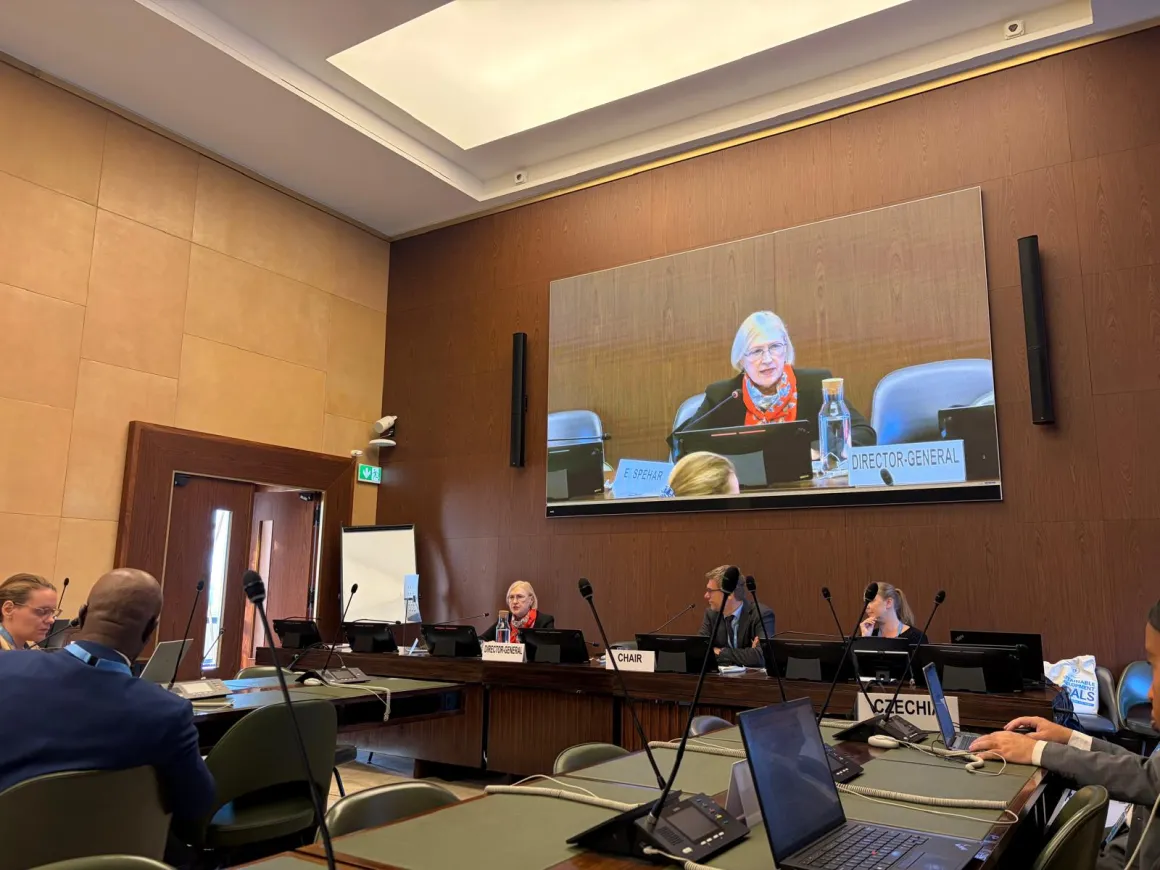
Assistant Secretary-General Elizabeth Spehar briefed Member States at the Palais des Nations in Geneva on the newly integrated Peacebuilding and Peace Support Office (PBPSO) and its role in advancing prevention, peacebuilding and peace support across the UN system. Drawing on the flagship report Investing in Peace When the World Pays for War, discussions emphasized the need to increase investment in peace amid rising global military expenditure. Participants also exchanged views on the links between peacebuilding and human rights, nationally led prevention, peacekeeping transitions, measuring impact and cooperation with regional organizations. The briefing also explored opportunities to strengthen Geneva’s role as a hub for peacebuilding. Ms. Spehar will continue her engagements this week at the Geneva Peace Forum and with partners in Bern and Oslo.