

A brief roundup of United Nations political and peacebuilding events and developments globally.
DiCarlo urges Sudan’s parties to engage in dialogue as diplomatic efforts gain momentum
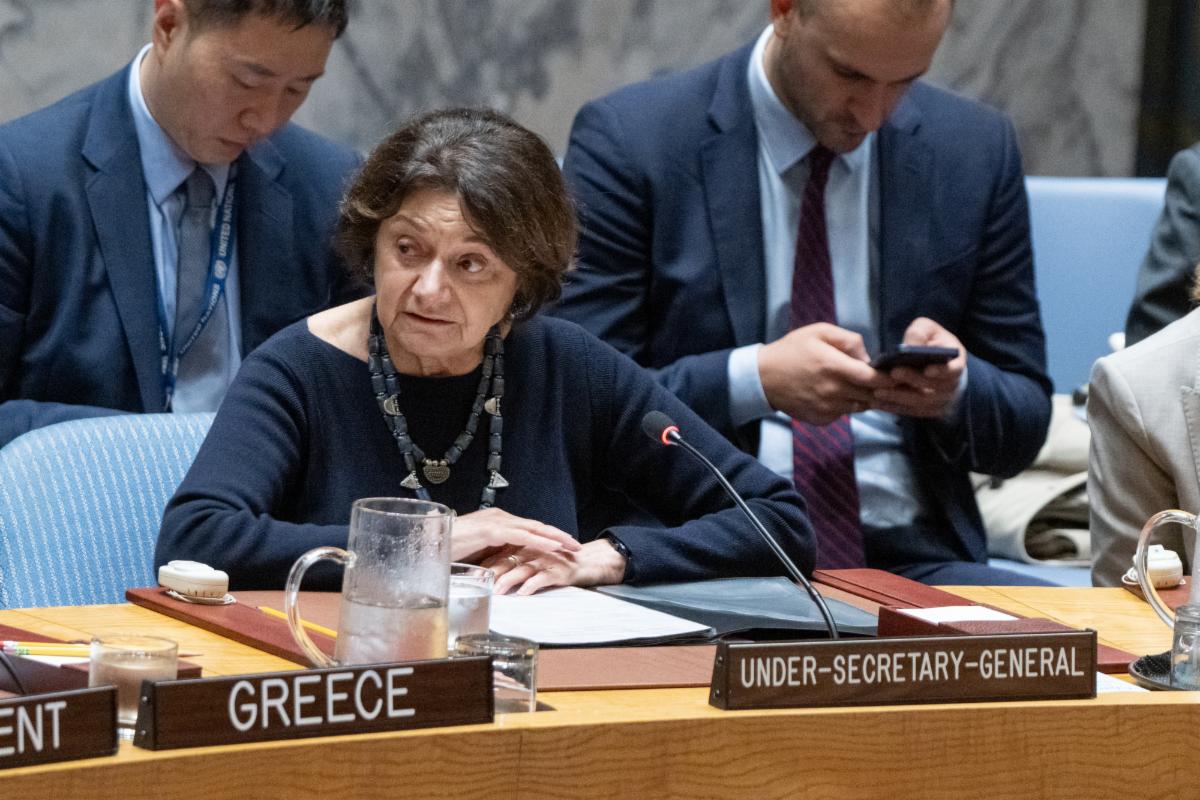
On 16 October, Under-Secretary-General Rosemary DiCarlo warned the Security Council that Sudan’s conflict continued to intensify, with escalating fighting, widespread civilian suffering and growing risks of regional spillover. Condemning attacks on civilians and humanitarian operations, she called on the parties to cease their use of drones and urged external actors to help end, rather than fuel, the conflict. DiCarlo highlighted ongoing efforts by Personal Envoy Pekka Haavisto to advance confidence-building measures, including prisoner exchanges and access to education, alongside international coordination to secure a humanitarian truce and support a broader political process. Stressing the importance of inclusive, civilian-led political efforts, she urged the parties to demonstrate a credible commitment to negotiations and called on the Council to use every tool at its disposal to help end the war.
Alakbarov warns of growing risks to Gaza ceasefire, calls for renewed peace efforts
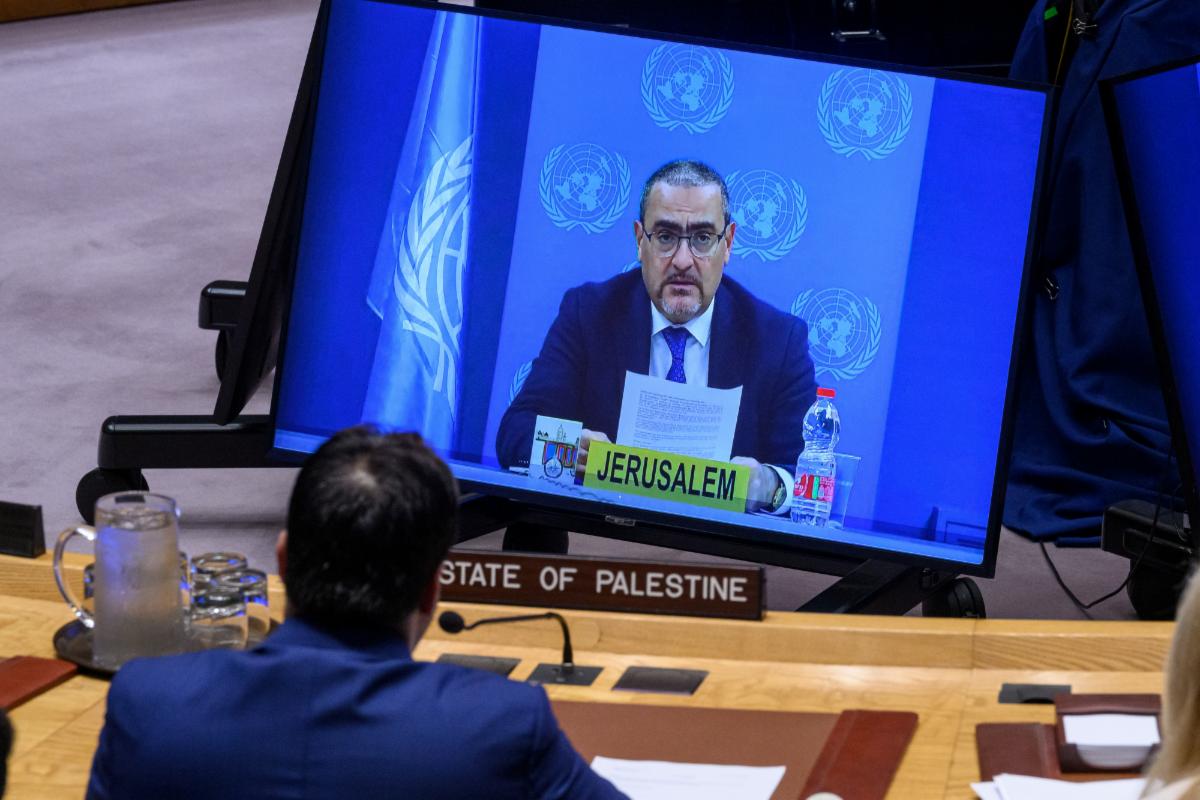
On 15 October, Acting Special Coordinator for the Middle East Peace Process Ramiz Alakbarov told the Security Council that the situation in Gaza remained extremely fragile, one year after the ceasefire, with continued military operations, dire humanitarian conditions and mounting risks ahead of winter. He called for expanded humanitarian access, urgent recovery efforts and full implementation of the Comprehensive Plan to End the Gaza Conflict. Expressing concern over escalating settler violence, settlement expansion and displacement in the West Bank, including East Jerusalem, he stressed the need to prevent further deterioration. Mr. Alakbarov urged the international community to translate its support for a two-State solution into concrete action, emphasizing that recovery and political progress must advance together.
Tetteh urges Libyan leaders to build on political progress towards elections
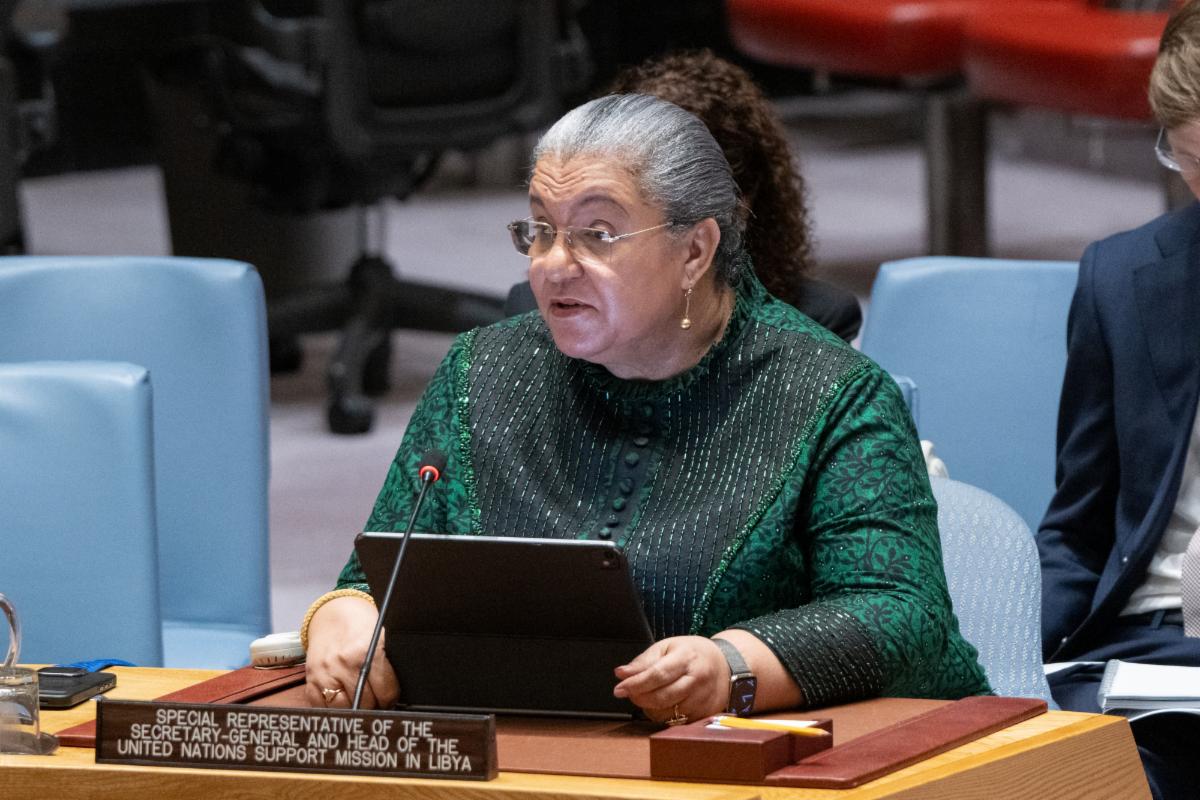
On 14 October, Special Representative of the Secretary-General and Head of the UN Support Mission in Libya (UNSMIL) Hanna Tetteh briefed the Security Council on progress in Libya’s political process following the signing of the Smaller Convening Agreement on 30 August, which provides a pathway towards presidential and legislative elections within 24 months. While welcoming support for the Agreement, she expressed concern over its rejection by the High Council of State and urged Libyan stakeholders to overcome political divisions. Tetteh also warned that institutional fragmentation continued to undermine economic stability and security, amid rising living costs and fragile security conditions. She called for sustained international support, greater political inclusivity and renewed commitment to unifying institutions and creating conditions for credible national elections.
Xia calls for sustained diplomatic efforts amid worsening situation in eastern DRC
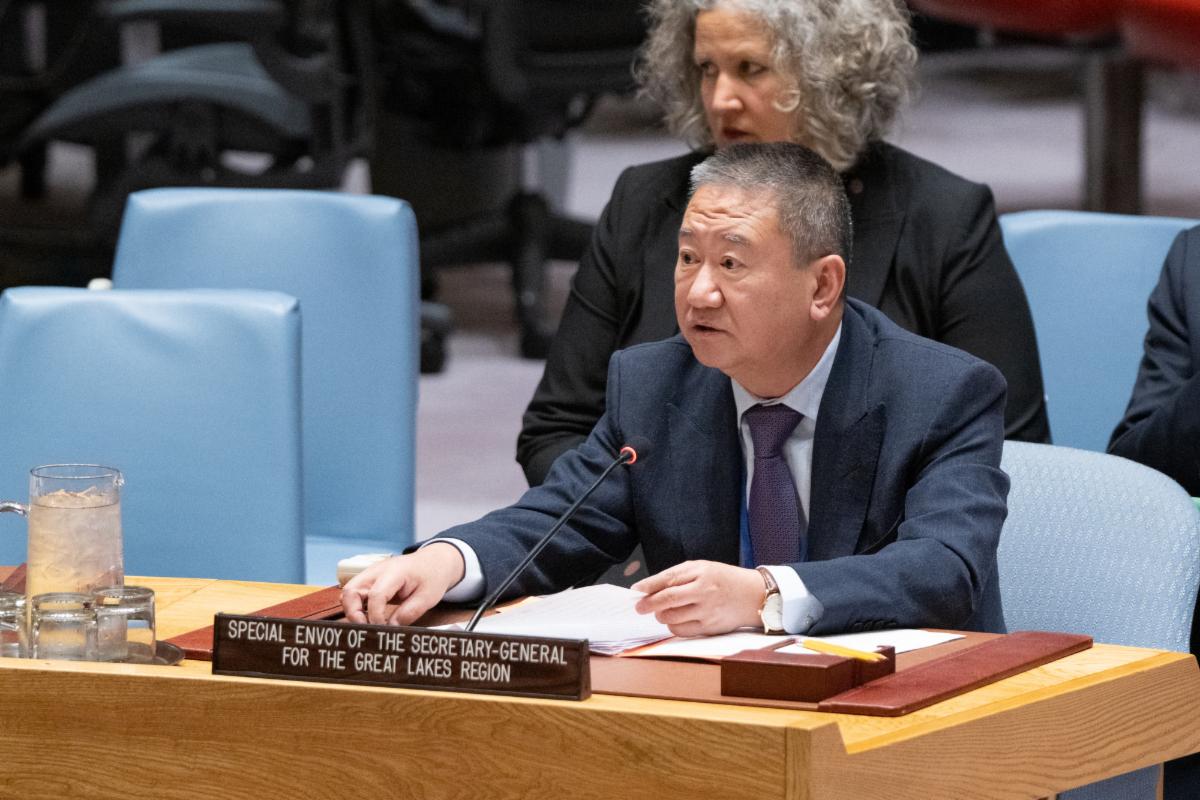
On 13 October, Special Envoy of the Secretary-General for the Great Lakes Region Huang Xia briefed the Security Council on ongoing diplomatic efforts to resolve the conflict in eastern Democratic Republic of the Congo (DRC). He highlighted progress on the disarmament of the Democratic Forces for the Liberation of Rwanda (FDLR) and the work of the Expanded Joint Verification Mechanism Plus. However, he warned that the security and humanitarian situation continued to deteriorate amid ongoing hostilities, rising regional tensions and the spread of Ebola. Xia stressed the importance of sustaining confidence-building efforts, strengthening regional cooperation and ensuring more inclusive peace processes, including through the meaningful participation of women and young people.
Jenča calls for sustained implementation of Colombia’s Peace Agreement amid security challenges
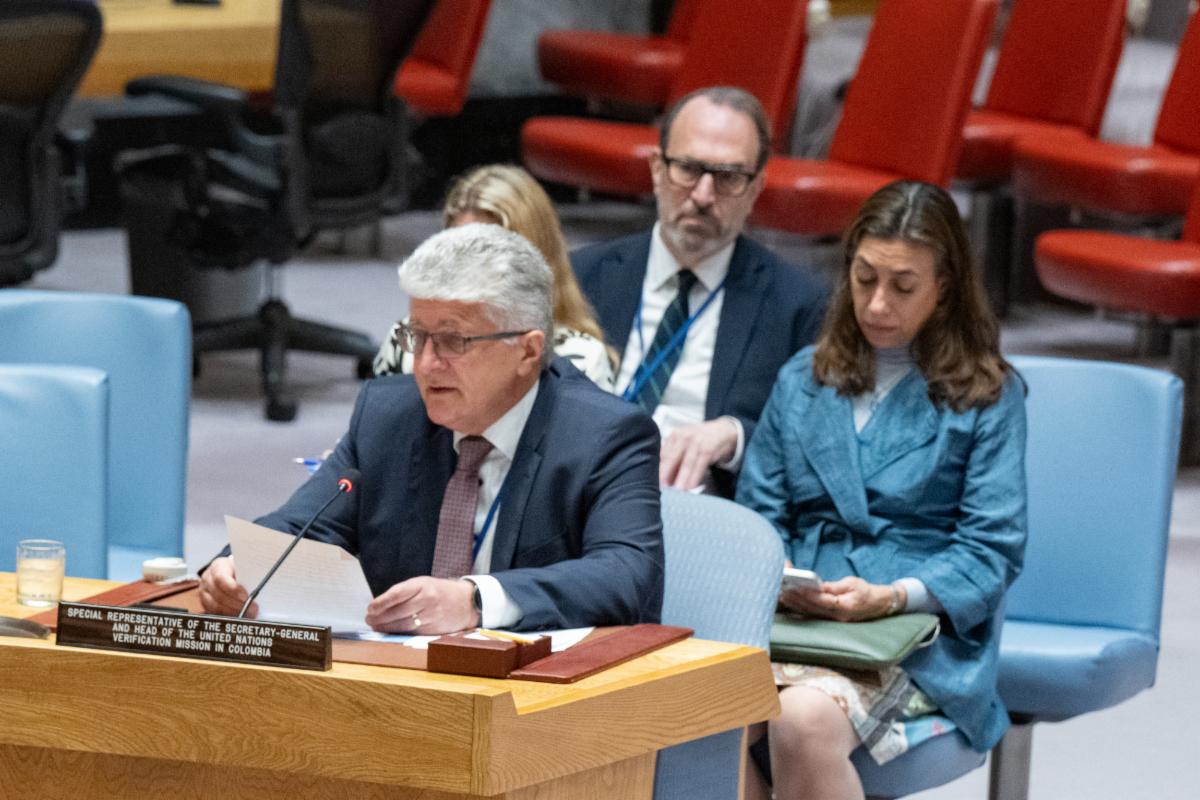
On 12 October, Special Representative of the Secretary-General and Head of the UN Verification Mission in Colombia (UNVMC) Miroslav Jenča briefed the Security Council on progress and challenges in implementing the 2016 Final Peace Agreement. He highlighted the reintegration of more than 11,000 former combatants and efforts to advance rural development, while expressing concern over growing insecurity, the expansion of armed groups and continued violence against former combatants and community leaders. Amid Colombia’s political transition, Mr. Jenča stressed the importance of maintaining continuity in implementing the Agreement, strengthening State presence in conflict-affected areas and ensuring adequate support for peacebuilding institutions.
Cordone calls for inclusive political transition and sustained recovery efforts in Syria
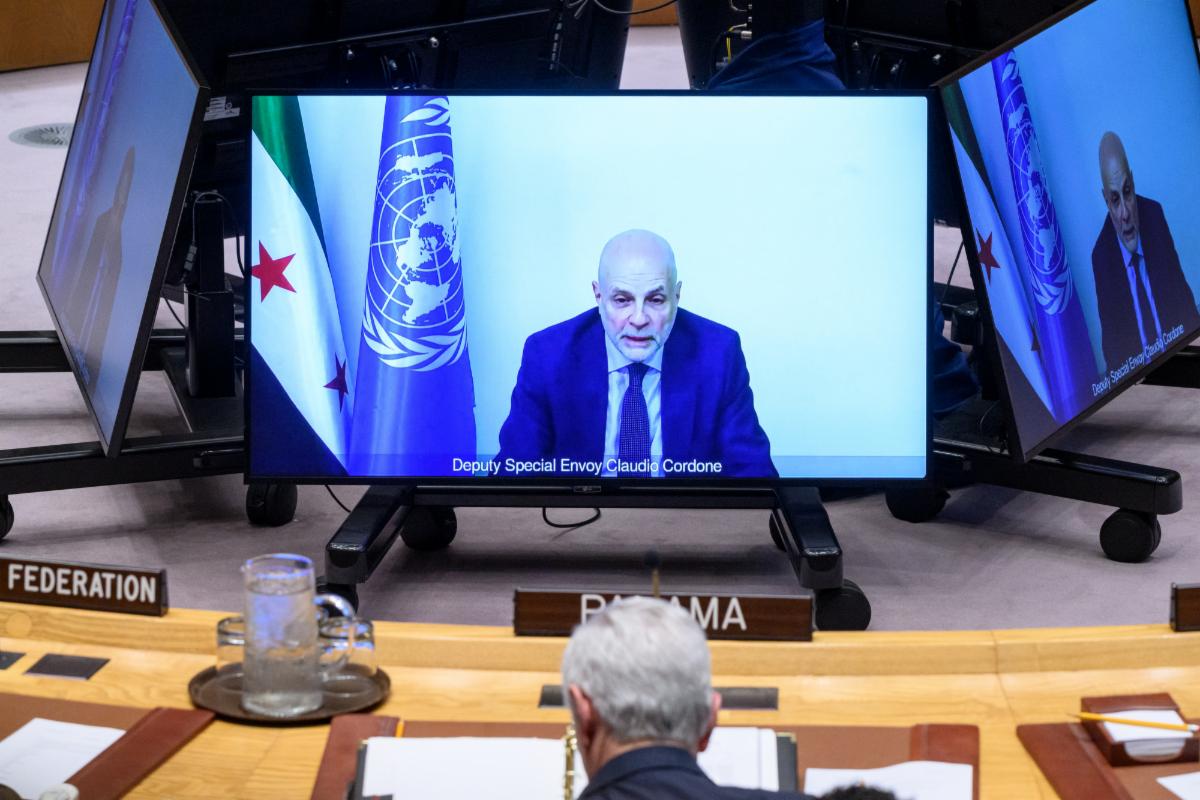
On 12 October, Deputy Special Envoy of the Secretary-General for Syria Claudio Cordone briefed the Security Council on progress and challenges in Syria’s political transition. He highlighted emerging opportunities for economic recovery while warning that rising living costs, insecurity and communal tensions continued to affect communities across the country. Mr. Cordone stressed the importance of inclusive political dialogue, accountability and institutional reform, including progress on transitional justice, constitutional development and women’s participation. He also expressed concern over continued Israeli military activities in southern Syria and called for respect for Syria’s sovereignty and territorial integrity. Reaffirming UN support for a Syrian-led and Syrian-owned transition, he emphasized the need to translate international engagement into tangible improvements in people’s lives.
Quintet advances consultations on inclusive political dialogue in Sudan
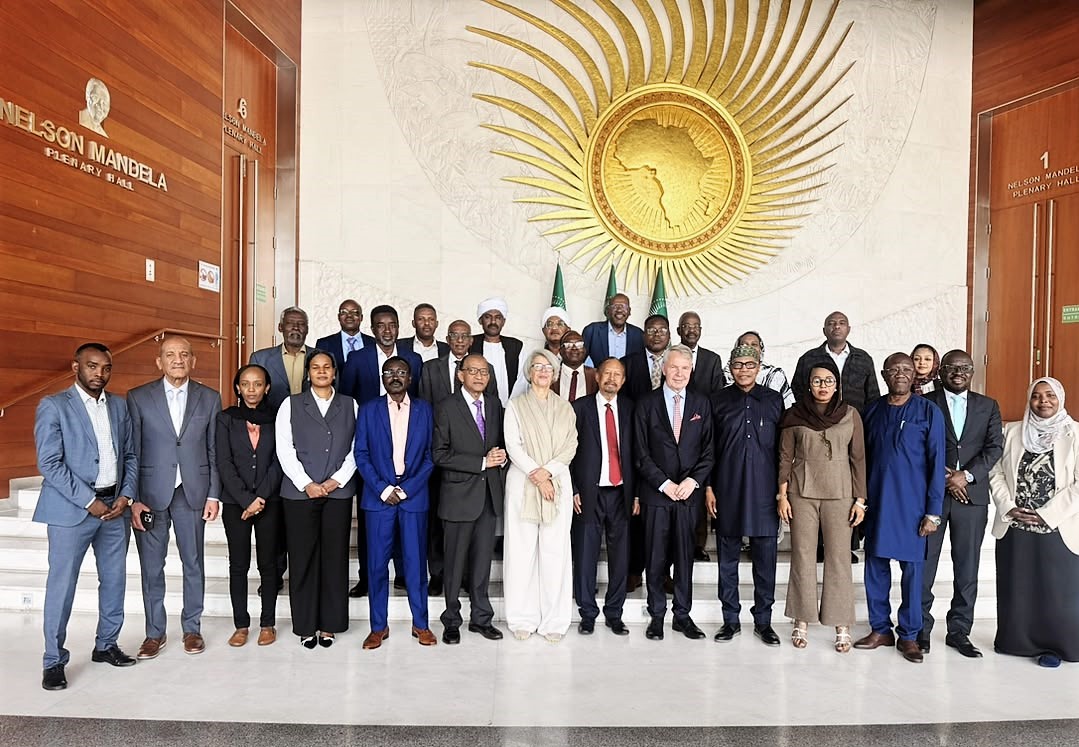
On 13 October, the Quintet on Sudan, comprising the United Nations, African Union, European Union, League of Arab States and Intergovernmental Authority on Development (IGAD), met with Sudanese civilian and political stakeholders in Addis Ababa, including representatives of the Somoud coalition. The consultations form part of ongoing efforts to support preparations for an inclusive, Sudanese-owned and Sudanese-led political dialogue, with further engagements planned in the coming weeks. Building on these efforts, Personal Envoy of the Secretary-General Pekka Haavisto will co-host with Switzerland the sixth consultative meeting in Geneva to strengthen coordination among international and regional initiatives aimed at advancing peace in Sudan.
UNOCA strengthens cooperation on peace and security during Cameroon visit
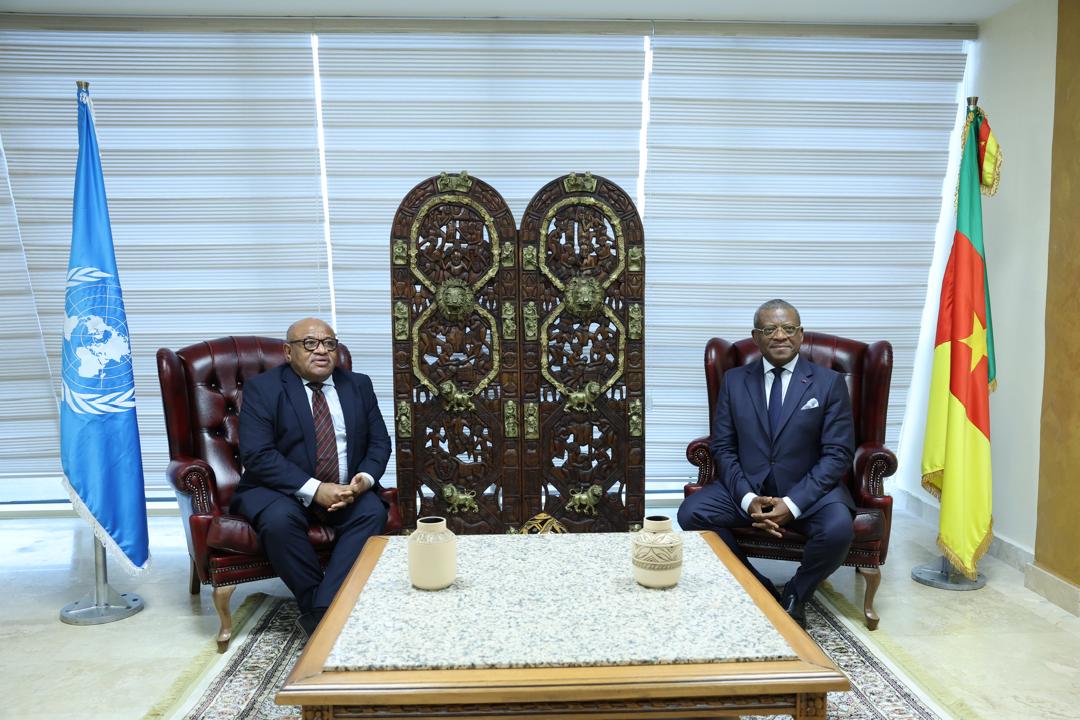
This week, Special Representative of the Secretary-General and Head of the UN Regional Office for Central Africa (UNOCA) Mohamed El-Amine Souef held a series of meetings in Yaoundé with Prime Minister Joseph Dion Ngute, Minister of External Relations Lejeune Mbella Mbella and National Assembly President Théodore Datouo, as well as the ambassadors of China, France and the Russian Federation and the United Kingdom High Commissioner to Cameroon. Discussions focused on political developments, governance and institutional stability in Cameroon, alongside efforts to strengthen international cooperation on preventive diplomacy, peace, security and sustainable development across Central Africa.
Imnadze participates in the Seventh CICA Summit in Baku, Republic of Azerbaijan
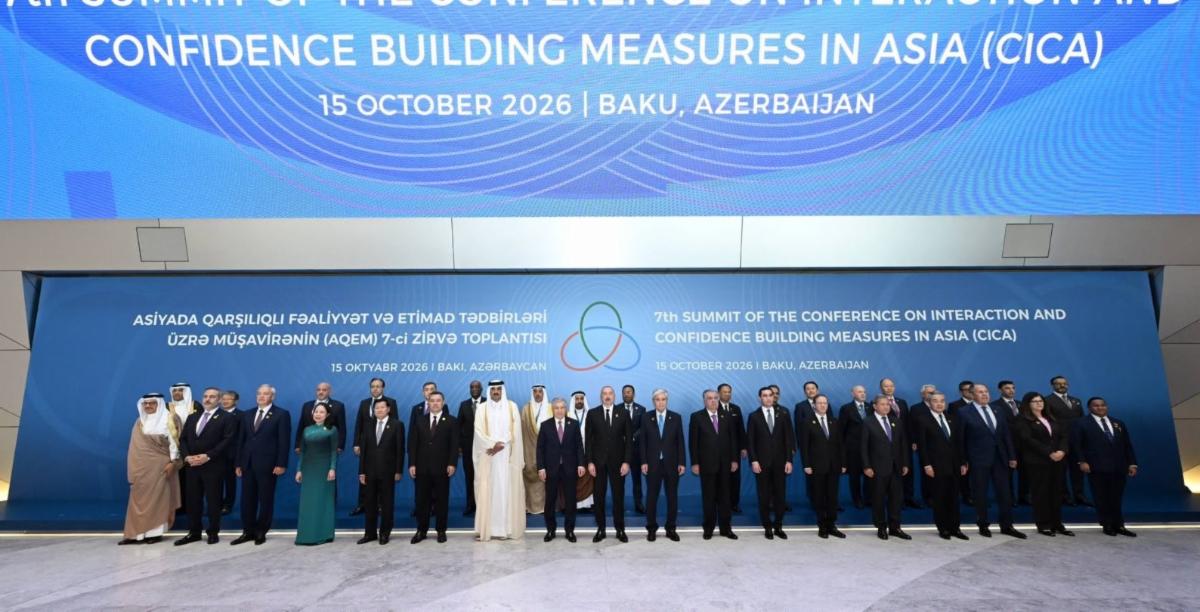
On 16 October, Special Representative of the Secretary-General and Head of the UN Regional Centre for Preventive Diplomacy for Central Asia (UNRCCA) Kaha Imnadze Kaha Imnadze participated on behalf of the Secretary-General in the Seventh Summit of the Conference on Interaction and Confidence Building Measures in Asia (CICA), held in Baku, Azerbaijan. He reaffirmed the UN’s partnership with CICA and emphasized the importance of dialogue, confidence-building and regional connectivity in advancing peace, security and sustainable development. Highlighting the 2025 border treaty between Kyrgyzstan and Tajikistan, he underscored the value of peaceful dispute resolution and called for greater participation of women and young people. The Summit concluded with the adoption of the Baku Declaration, reaffirming commitments to regional cooperation and stability.
UNRCCA engages young people on drug prevention and trafficking in persons
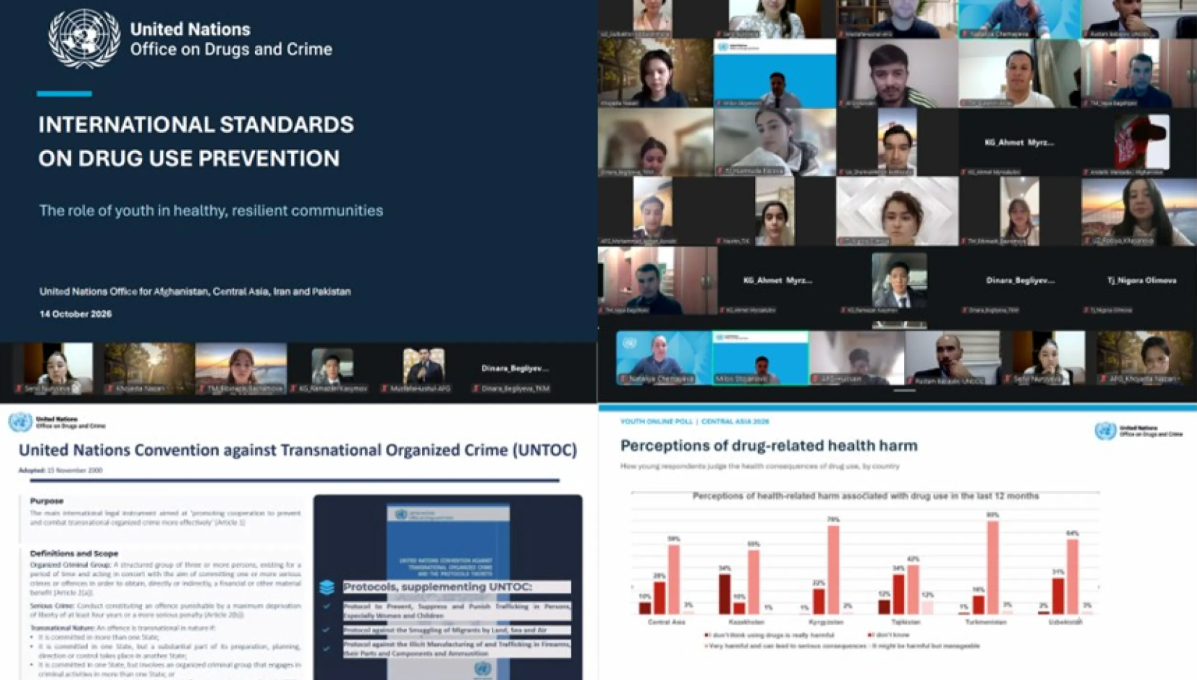
On 14 October, the UN Regional Centre for Preventive Diplomacy for Central Asia (UNRCCA), in cooperation with the United Nations Office on Drugs and Crime (UNODC), convened a Preventive Diplomacy Academy session for participants from Central Asia and Afghanistan. Drawing on the World Drug Report 2026 and regional youth survey findings, discussions explored drug-use trends, health risks and evidence-based prevention approaches involving families, schools and communities. Participants also examined the international legal framework for combating trafficking in persons, including how exploitation is identified and addressed. The session highlighted the links between health, human rights and community resilience, as well as the role of young people in prevention efforts across the region.
Children explore peace and reconciliation through art in Colombia
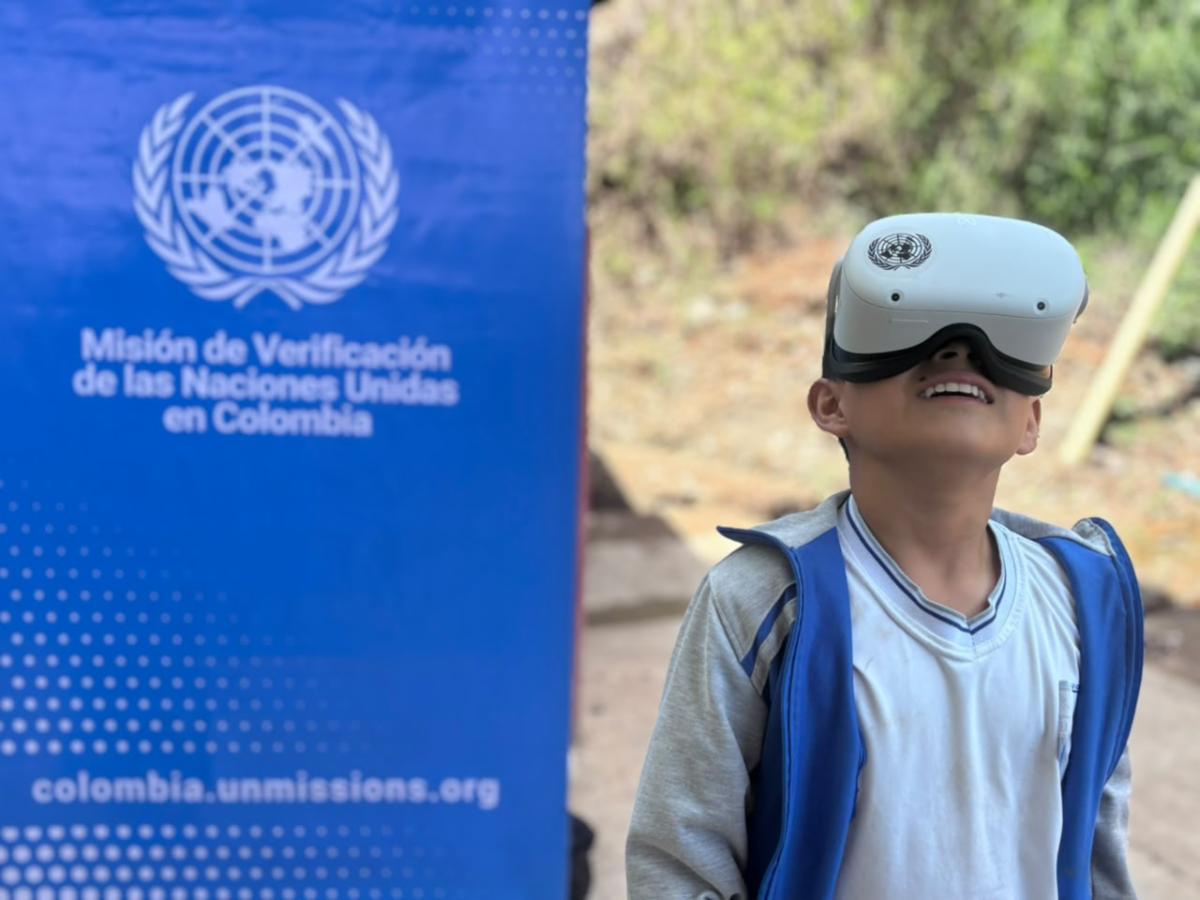
On 15 October, the United Nations Verification Mission in Colombia (UNVMC) organized an activity in Argelia, Cauca, where children shared their visions of peace and reconciliation through drawings and storytelling. Participants also explored the Final Peace Agreement through a virtual reality experience, learning about efforts to build lasting peace in Colombia. Held alongside a services fair organized by local authorities and public institutions, the activity provided an opportunity to engage children and families in peacebuilding while bringing essential services closer to the community.
UNVMC brings generations together to promote peace in Cauca
On 15 October, the United Nations Assistance Mission in Afghanistan (UNAMA) released its latest human rights update, covering the period from July to September 2026. The report documented at least 443 arbitrary arrests and detentions and 97 incidents of ill-treatment of Afghan women and men by personnel of the de facto Ministry for the Propagation of Virtue and Prevention of Vice. It also highlighted continued restrictions on media freedom, including the suspension of several media outlets and arbitrary arrests of journalists. The findings underscore ongoing concerns about the human rights situation in Afghanistan, particularly restrictions on fundamental freedoms. The full report is available online here.
Spehar strengthens partnerships for peacebuilding in Geneva and Bern
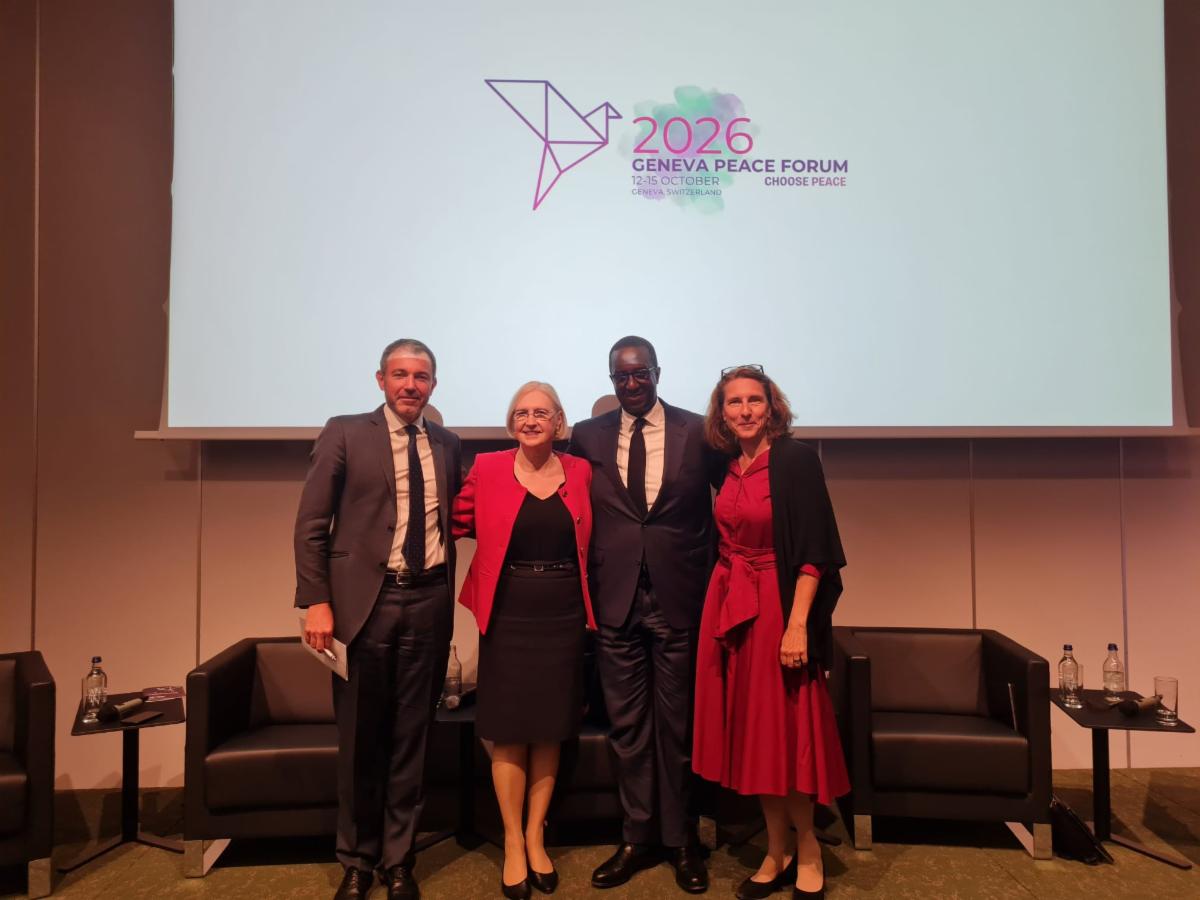
From 12 to 14 October, Assistant Secretary-General Elizabeth Spehar visited Geneva and Bern to strengthen partnerships on prevention, peacebuilding and peace support. At the Geneva Peace Forum, she discussed adapting peacebuilding to growing geopolitical fragmentation and briefed Member States on the newly integrated Peacebuilding and Peace Support Office (PBPSO), highlighting the need for greater investment in nationally led prevention. She also engaged UN, civil society and private sector partners on human rights, peace finance and emerging challenges. In Bern, Spehar met with Swiss authorities to review their strategic partnership with UN peacebuilding, including priorities for the Peacebuilding Fund’s 2027–2030 strategy, civil society engagement and support for justice and security institutions.
UN and World Bank discuss economic cooperation to build trust in Cyprus
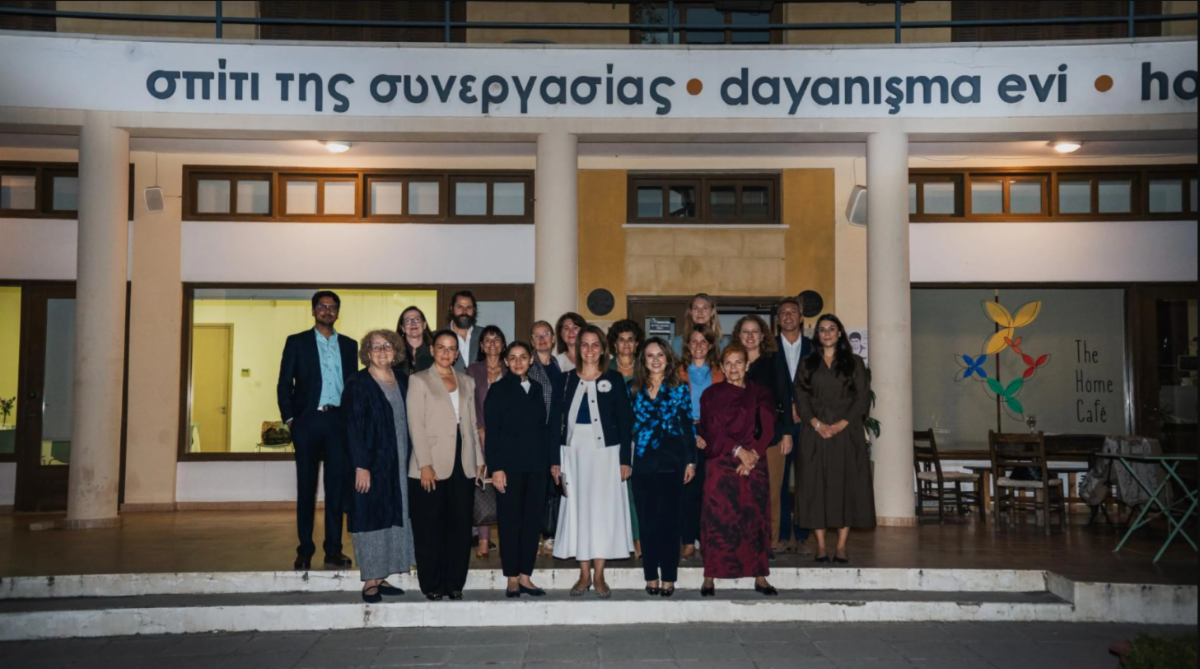
On 12 October, staff of the UN Good Offices Mission in Cyprus met with a visiting World Bank delegation to discuss how economic interdependence, trade and private sector cooperation can help build trust between the island’s two communities. The discussions explored opportunities to strengthen business ties and promote greater economic integration across the island. The briefing was followed by a working dinner with businesswomen from both communities. The engagement built on longstanding cooperation between the UN and the World Bank in support of the Cyprus peace process, including joint initiatives on economic opportunities, living standards and the socioeconomic dimensions of reconciliation.
OSE-Syria supports national efforts to counter hate speech and strengthen social cohesion
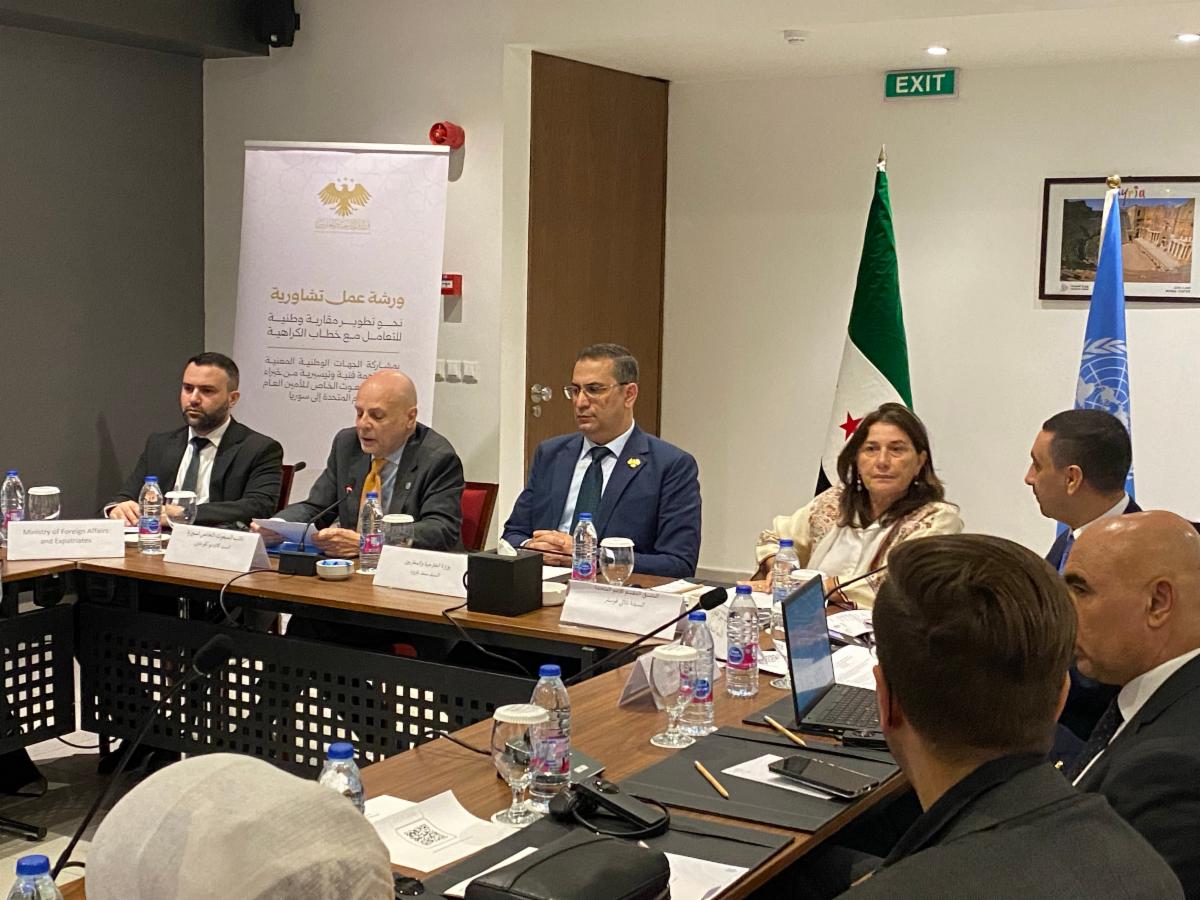
The Office of the Special Envoy for Syria (OSE-Syria), in cooperation with the Syrian Ministry of Foreign Affairs, organized a national consultation on countering hate speech on 11 October, bringing together representatives from ten ministries, two national commissions and UN partners. Discussions focused on the drivers and impact of hate speech on social cohesion, prevention and early warning, and the importance of safeguarding freedom of expression in line with international human rights standards. Participants agreed on a roadmap towards developing a national action plan, including consultations with civil society, religious leaders, youth and women, as well as outreach across Syria’s governorates. The initiative marks an initial step towards a coordinated national approach to addressing hate speech and strengthening relations between communities.
Peacebuilding Fund strengthens conflict sensitivity in peacebuilding programming
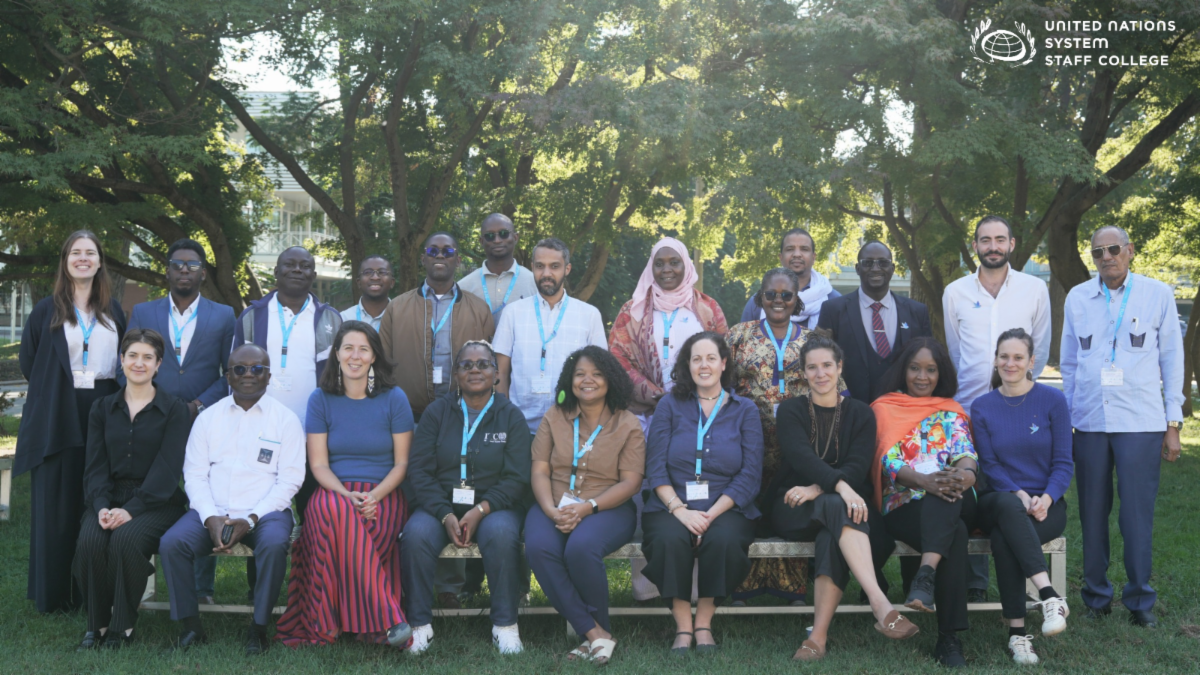
From 12 to 16 October, 18 participants from 10 French-speaking duty stations took part in a Training of Trainers in Turin, Italy, to strengthen conflict sensitivity in Peacebuilding Fund (PBF) programming. Organized by the UN System Staff College as part of an eight-month pilot certification programme, the training brought together UN and NGO personnel working in contexts including Haiti, the Sahel, Central Africa, the Great Lakes region and Madagascar. The initiative aims to equip participants to deliver context-specific training that promotes inclusive, human rights-based approaches and helps peacebuilding programmes respond effectively to evolving conflict dynamics. It builds on recommendations from the PBF’s 2024 thematic review on synergies between human rights and peacebuilding. For more information on the Review and the pilot Training of Trainers, visit here.
Next Week
On Monday, Special Representative of the Secretary-General and Head of the UN Integrated Office in Haiti (BINUH) Carlos Ruiz Massieu will brief the Security Council on Haiti.


