


The meaningful participation of women across all levels of UN peacekeeping is integral to more inclusive and effective peace operations. From community-facing work to strategic leadership, building lasting peace hinges on investing in women peacekeepers.
Women are deployed as police, military and civilian personnel within peacekeeping missions. They work across all areas, from the protection of civilians to political and civil affairs, planning, logistics or strategic communications.
As of June 2026, women represented 33 per cent of civilian personnel and 28 per cent of Heads and Deputy Heads of Mission in United Nations peacekeeping missions. Through the Uniformed Gender Parity Strategy, the participation of uniformed women in peacekeeping operations has doubled, from less than 5% in 2018 to more than 10% in 2026.
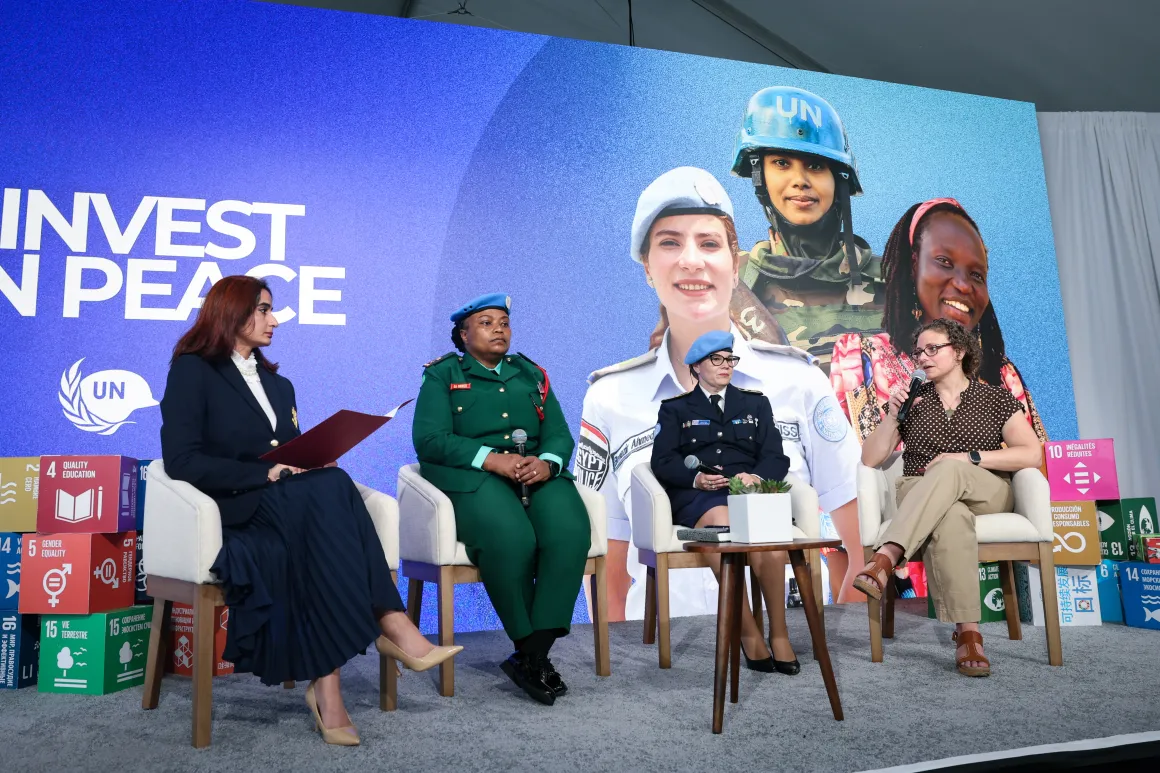
In a recent panel discussion held on the eve of the UN General Assembly’s High Level Week, Colonel Gissel Sosa, Lieutenant Colonel Glory Athumani Mkwizu and McCall Carter reflected on how, in their experience under the blue flag, women peacekeepers had “the power to empower”.
"[Women] do the same task as men […]; we can do the same activities, like community policing, in operations, in command, or in capacity building and development,” said Colonel Gissel Sosa, Chief of the Mission Management and Support Section (MMSS) in the UN Police Division. “But the difference is in how the community trusts us—women are very important in the field. The visibility of policewomen, of course, that gives a different perspective for communities."
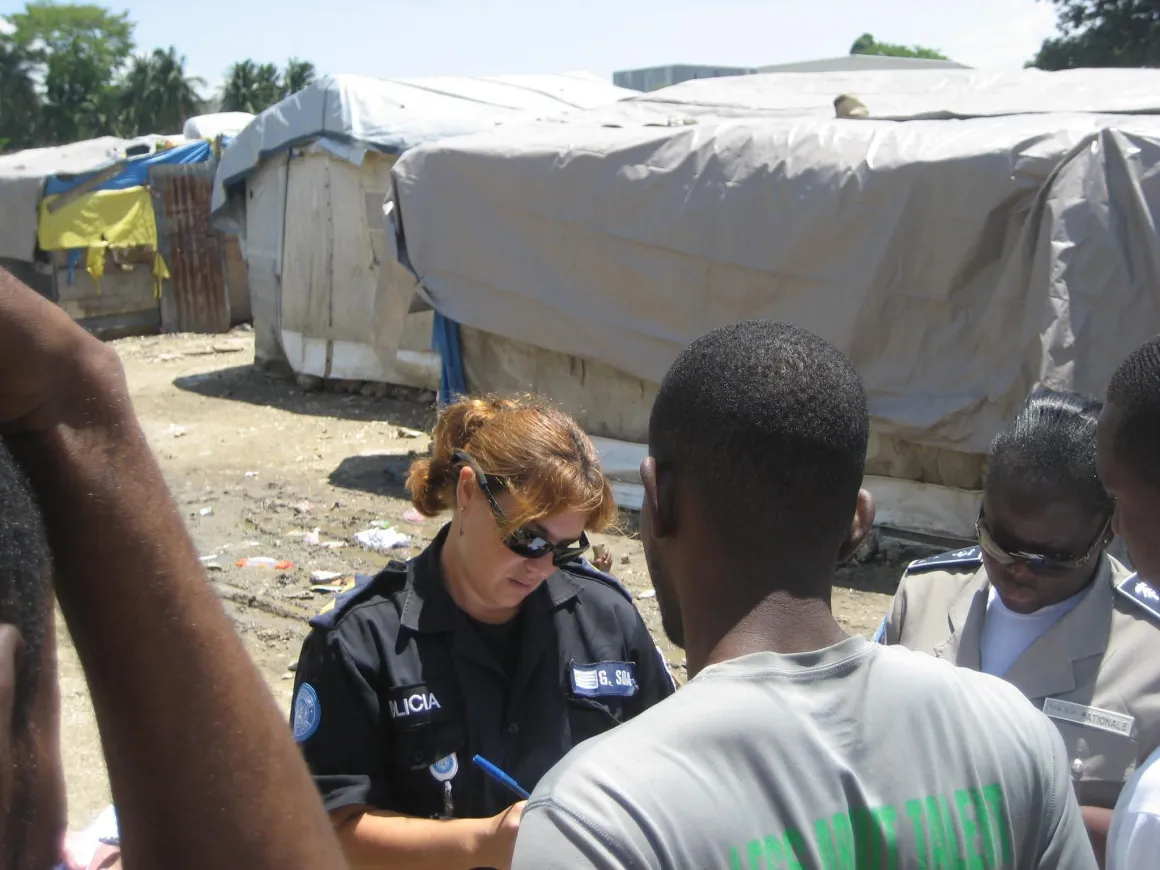
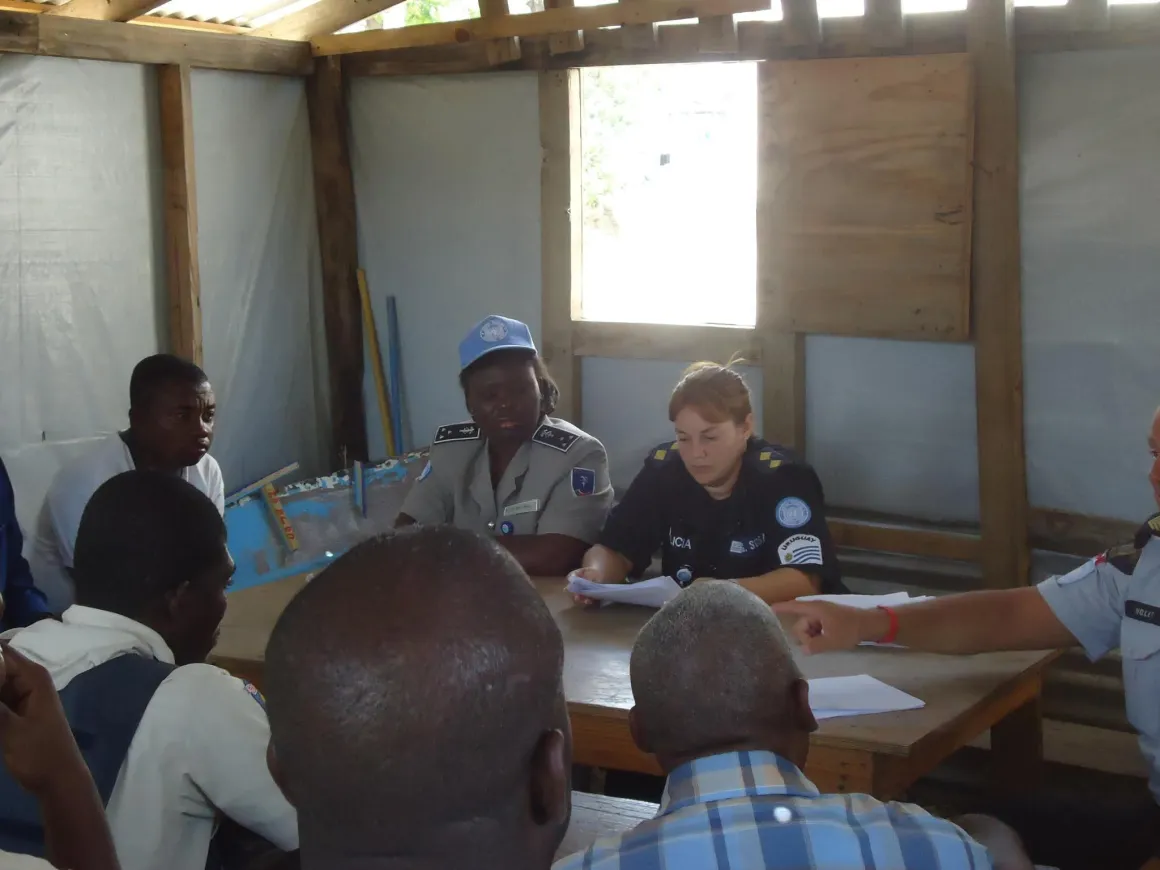
The Uruguayan peacekeeper also highlighted the importance of teaching men and boys the value of women in policing. Reflecting on her time in Haiti where she was deployed in 2011 and 2012, Colonel Sosa stressed that “I think that it's very important that the presence of policewomen in those fields and, of course that, the visibility of women in the context is [...] one important tool that we can give to our missions when we are deployed."
She also encouraged women to consider serving: “I think they need your expertise in the field and having the visibility of women police officers is really important and we have many proofs of that." she concluded.
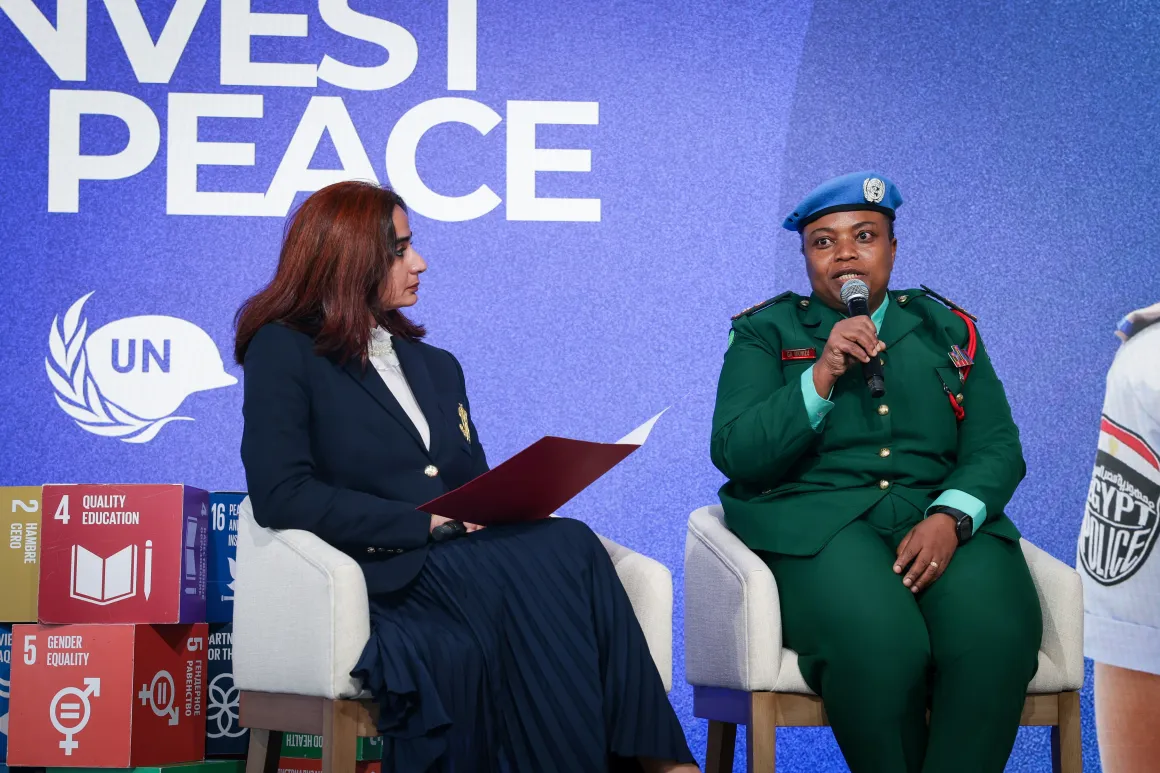
In her role as Peacekeeping Training Coordinator at the Tanzania Peacekeeping Training Centre, Lieutenant Colonel Glory Athumani Mkwizu knows the importance of including women not just because of quotas, but also as equal stakeholders at the table. “Women shouldn't only be taken as the beneficials of peace but rather as partners in peace processes and peacebuilding,” she said.
"Our presence is very crucial because most of the victims of conflict are women, children and girls [...] they are more comfortable when they see us, to access us." said Lt Col Mkwizu who currently serves with the Office of Military Affairs.
Throughout her career with the Tanzania Peoples Defence Forces, Lt Col Mkwizu observed that "[women] feel more free to talk to us and they see women as easy communicators understanding them and less threatening. [...] That's why we're really encouraging the presence of female in peacekeeping operations."
A lawyer and rule of law professional with more than 15 years of experience across the UN system, McCall Carter serves as a Judicial Affairs Officer with the Justice and Corrections Service in the Peacebuilding and Peace Support Office at UN Headquarters. Before that, she spent 12 years working in different legal and rule of law capacities, including as a civilian peacekeeper, in the Netherlands, Tanzania, Liberia and most recently with the United Nations Mission in South Sudan (UNMISS).
McCall stressed “the importance of [...] the visible presence of women peacekeepers.” She ensured that the audience heard her clearly, stating “my colleagues have been told repeatedly by local women that seeing female peacekeepers and national justice personnel working alongside the men made them believe that they have the ability to pursue professional roles, leadership positions and independent futures themselves."
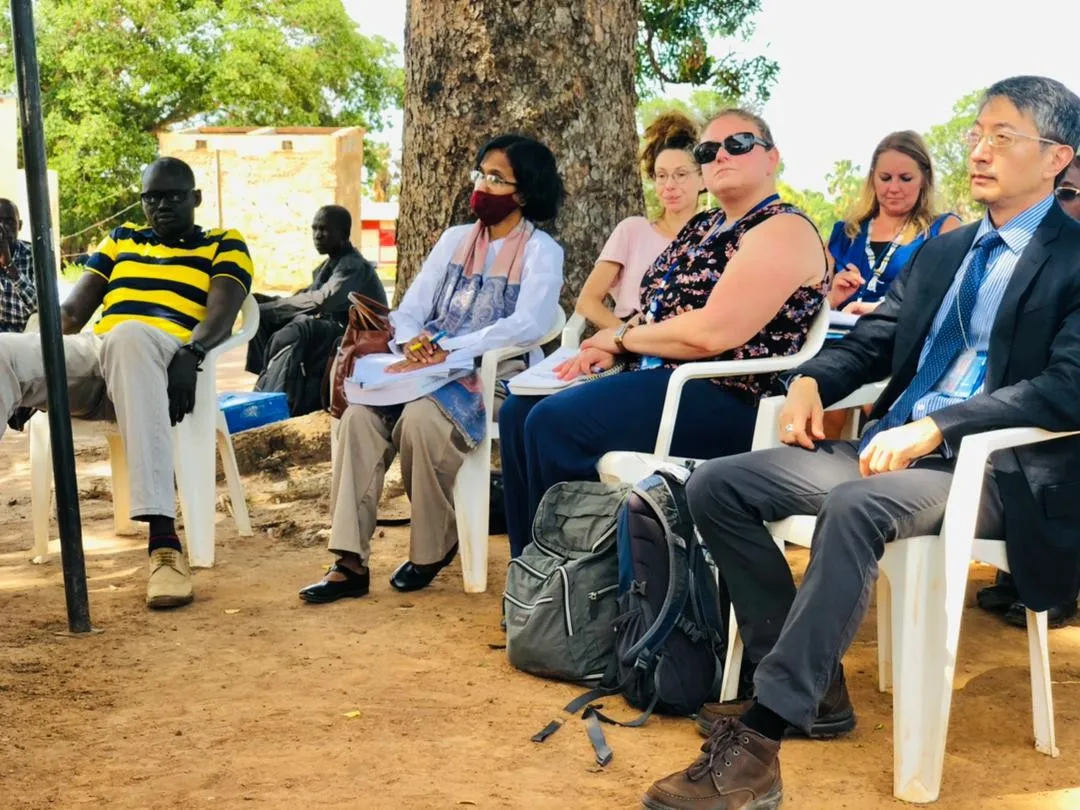
Closing the panel discussion, McCall shared the importance of all components working together for lasting peace: "Peace cannot come from military or police force alone. The work that civilian peacekeepers and women civilian peacekeepers in particular do is really crucial to ending conflict and helping countries transition from conflict to peace."
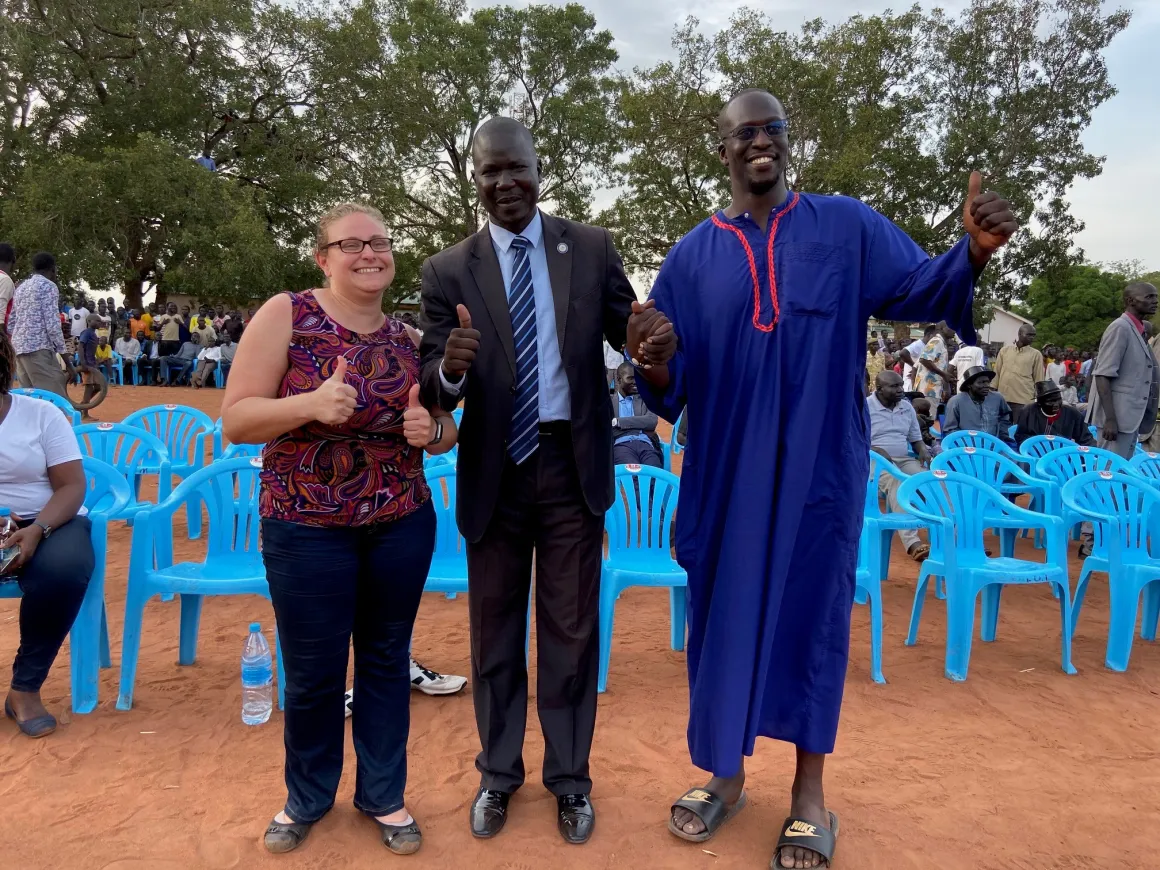
Women peacekeepers help build trust, expand community engagement and empower local women to shape peace and political processes. Ensuring their safety, equal opportunities and professional advancement is not just a matter of equity, it is a prerequisite for more effective and sustainable peace.
Watch the full interview here: Women Peacekeepers: The Power to Empower – 81st Session of the UN General Assembly | UN Web TV
By Elizabeth McInnes


