


From Mogadishu to Bangui, international police cooperation brings together national police services, United Nations Police and partners to strengthen effective, accountable and rights-based policing institutions respond to shared threats and build trust with the communities they serve.
On the International Day of #PoliceCooperation, I thank police officers, Member States and partners working with @UNPOL around the world.
By working together, we can strengthen policing, build trust and better protect those most vulnerable to crime.#Police4Peacepic.twitter.com/TPpjHweOtJ— Faisal Shahkar (@UNPOL_Chief) September 7, 2026
Police cooperation happens across borders, but also on the ground, in training rooms, police stations and communities.
That cooperation was at the centre of the International Day of Police Cooperation, observed on 7 September under the 2026 theme, “Protecting Against Vulnerability: Building Trust and Legitimacy in Policing.” Established by the United Nations General Assembly in 2022, the Day recognizes the importance of cooperation among national, regional and international policing actors in advancing peace, security and justice.
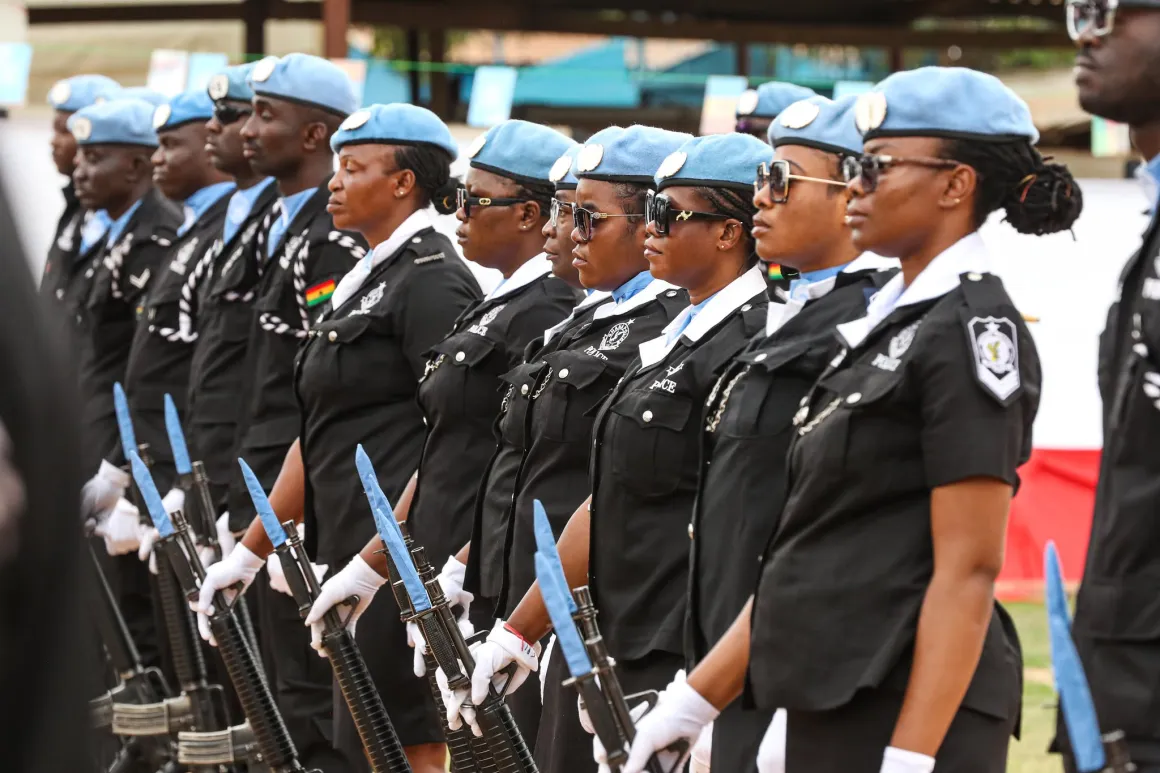
Such support is provided within United Nations mandates and applicable human rights and due diligence frameworks. For United Nations Police, cooperation is embedded in the way policing support is delivered. UN Police work alongside national counterparts, other parts of the United Nations system, INTERPOL, regional organizations and communities, bringing together different expertise and capabilities in support of nationally led policing efforts.
The need for that cooperation is growing. Organized crime, trafficking, terrorism and technology-enabled crime do not stop at national borders. Conflict, displacement and inequality can also increase the risks faced by people already in vulnerable situations.
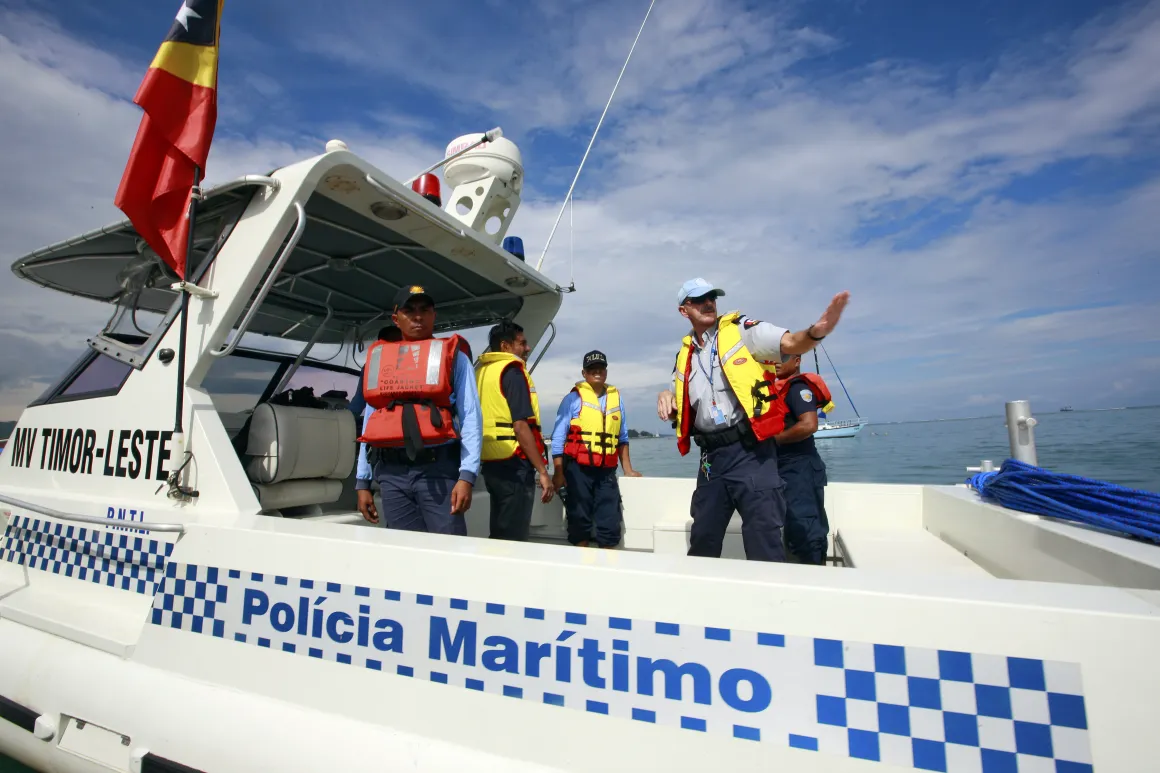
As Secretary-General António Guterres stressed in his message for the Day, “International police cooperation is vital.” Working across borders allows law enforcement agencies to better support survivors, disrupt criminal networks and advance safety, while legitimacy must be grounded in fairness, accountability and respect for human rights.
Everyone deserves the protection of the law — United Nations Secretary-General António Guterres
International cooperation is most effective when communities have confidence in the institutions responsible for protecting them.
Under-Secretary-General for Peace Operations Jean-Pierre Lacroix described trust as the “cornerstone of effective policing”, noting that communities are more likely to cooperate when people believe they will be treated fairly, protected effectively and respected equally under the law.
This connection between trust and operational effectiveness is particularly important when protecting people at heightened risk of trafficking, exploitation, gender-based violence, and other forms of transnational organized crime. Police services need to share information and coordinate internationally, but they must also be professional, accountable, and responsive to the communities they serve.
In Somalia, bringing policing partners together
In Mogadishu, police cooperation became the subject of practical discussion on International Day itself.
On 7 September, the Somali Police Force, with support from UNTMIS Police, brought together around 150 representatives from federal ministries, the Somali Police Force, the INTERPOL National Central Bureau, EUCAP, AUSSOM, UNTMIS and other partners.
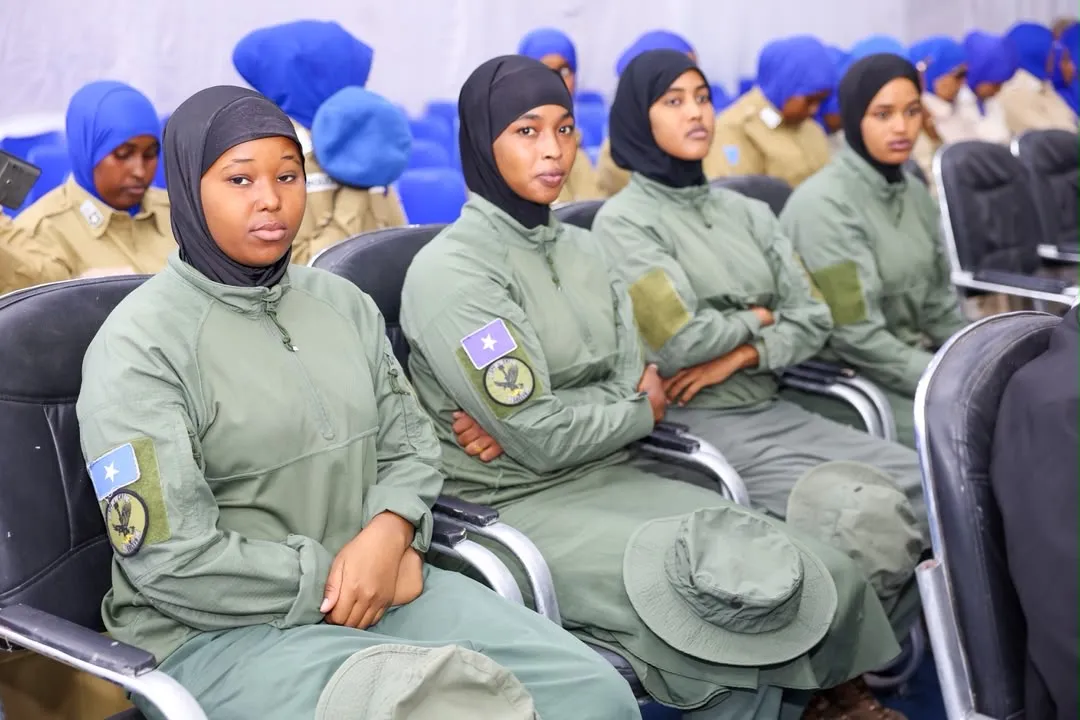
Discussions focused on police professionalism, community engagement and ways to strengthen public trust and legitimacy — demonstrating how international and national partners can use cooperation not only to respond to security challenges, but also to strengthen the institutions responsible for addressing them.
In the Central African Republic, cooperation extends from national institutions to United Nations entities and international partners.
Within MINUSCA, United Nations Police work with partners including UNDP, WHO and UN Women, as well as the European Union Advisory Mission, the Ministry of the Interior and Public Security, the Central African National Police and Gendarmerie and other national institutions.
Ahead of elections held in December 2025 and April 2026, UN Police, UNDP and EUAM combined their expertise to provide election-security training to more than 836 Central African police officers and gendarmes in Bangui and elsewhere in the country. The training covered the management of election security as well as the protection of candidates and people exercising their right to vote.
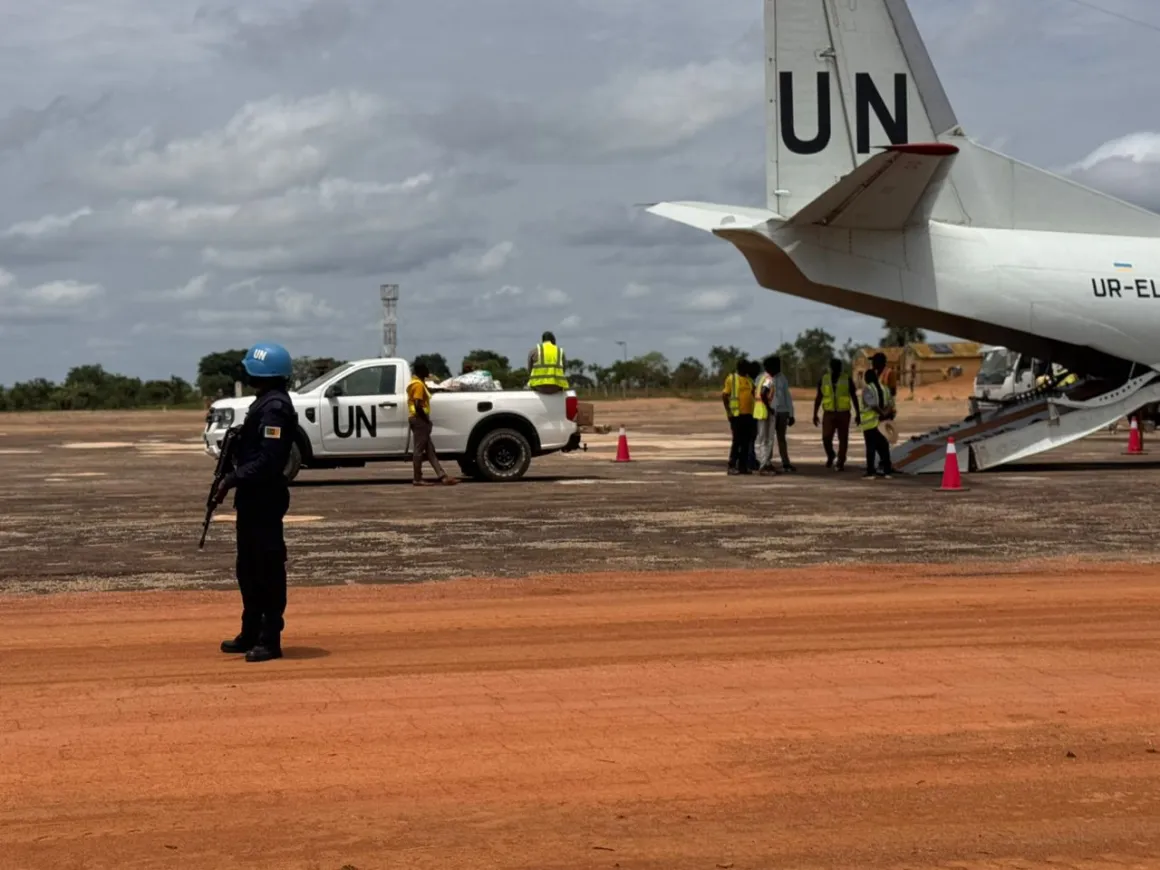
Cooperation also reaches communities directly. Through community-oriented policing and outreach initiatives, UN Police have supported activities including community clean-ups and the distribution of drinking water to vulnerable households, creating opportunities to engage communities and strengthen confidence in policing institutions.
UN Police have supported community clean-up initiatives and the distribution of drinking water to vulnerable households. Through the UN Policewomen’s network, women officers have also worked with women from the Central African defence and security forces on joint patrols and other activities.
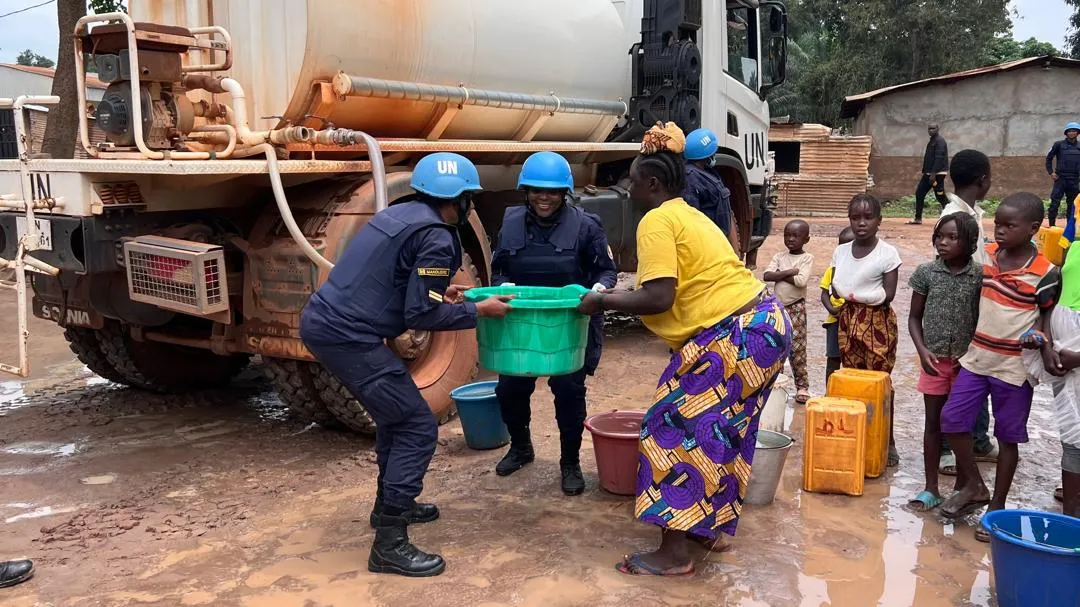
Other partnerships have connected policing with public health. Working with WHO and the National Blood Transfusion Centre in Bangui, UN Police organized blood donation sessions to support patients in Bangui and surrounding areas.
A shared United Nations approach to policing
The 2026 observance also underscores that effective police cooperation extends across the United Nations system.
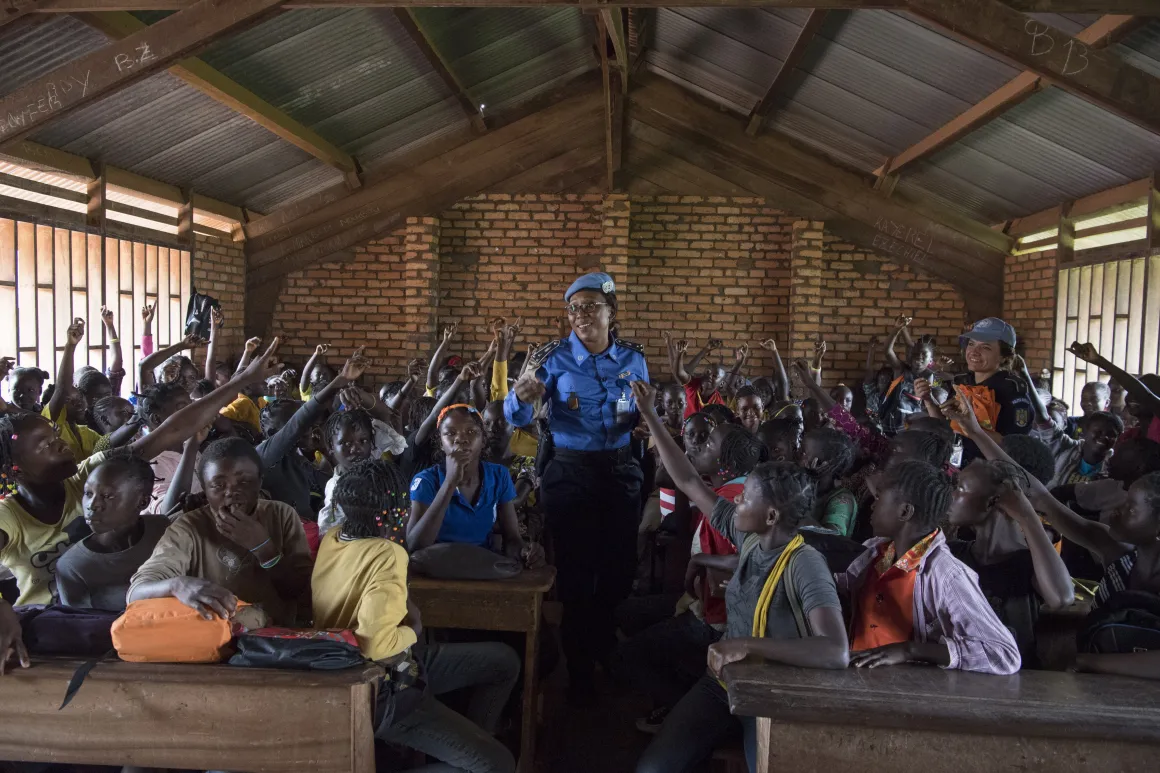
Messages from the Department of Peace Operations, UNODC, UNICRI, the United Nations Office of Counter-Terrorism and the Counter-Terrorism Committee Executive Directorate converge around several principles: international cooperation and information-sharing are essential, but effective policing must also be people-centred, accountable and grounded in human rights.
For example, CTED emphasized that no State could confront today’s security challenges alone, highlighting partnerships, timely information-sharing and inter-agency coordination as essential to addressing terrorism, transnational organized crime and other evolving threats.
UNICRI similarly points to the relationship between cooperation and confidence in policing: protecting vulnerable populations depends not on operational capacity alone, but also on public trust and institutional legitimacy.
From cooperation to collective action
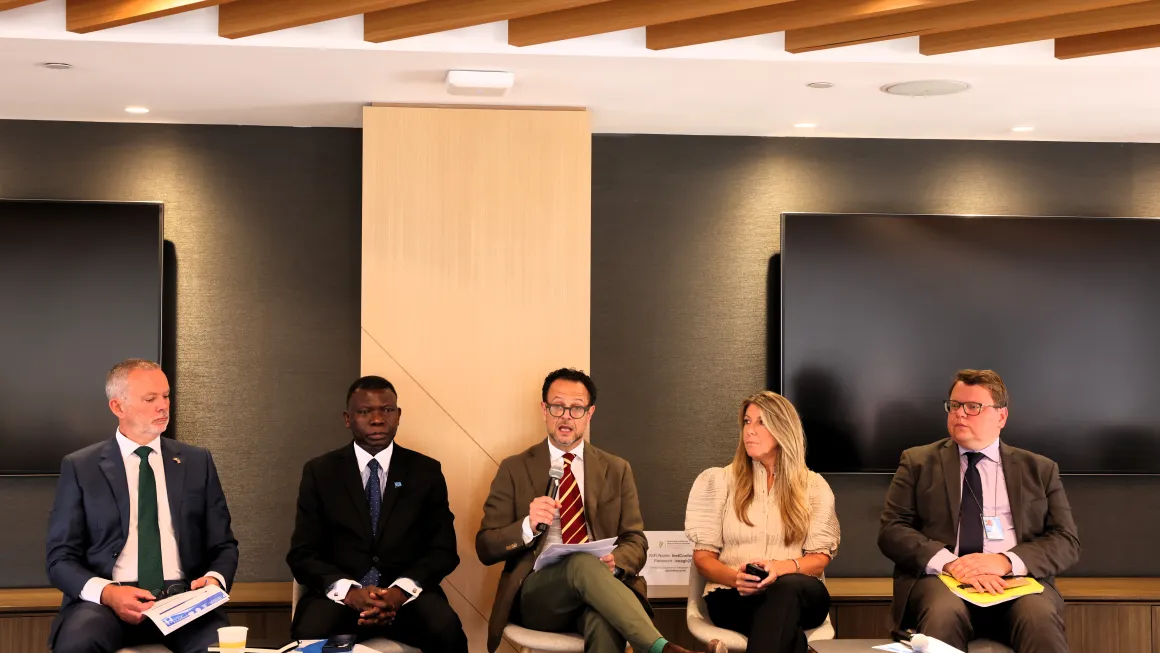
The conversation continues in New York on 9 September, where representatives of Member States, the United Nations system, INTERPOL, policing organizations, academia, civil society and law enforcement will come together for an International Day event hosted by the Permanent Mission of Ireland to the United Nations.
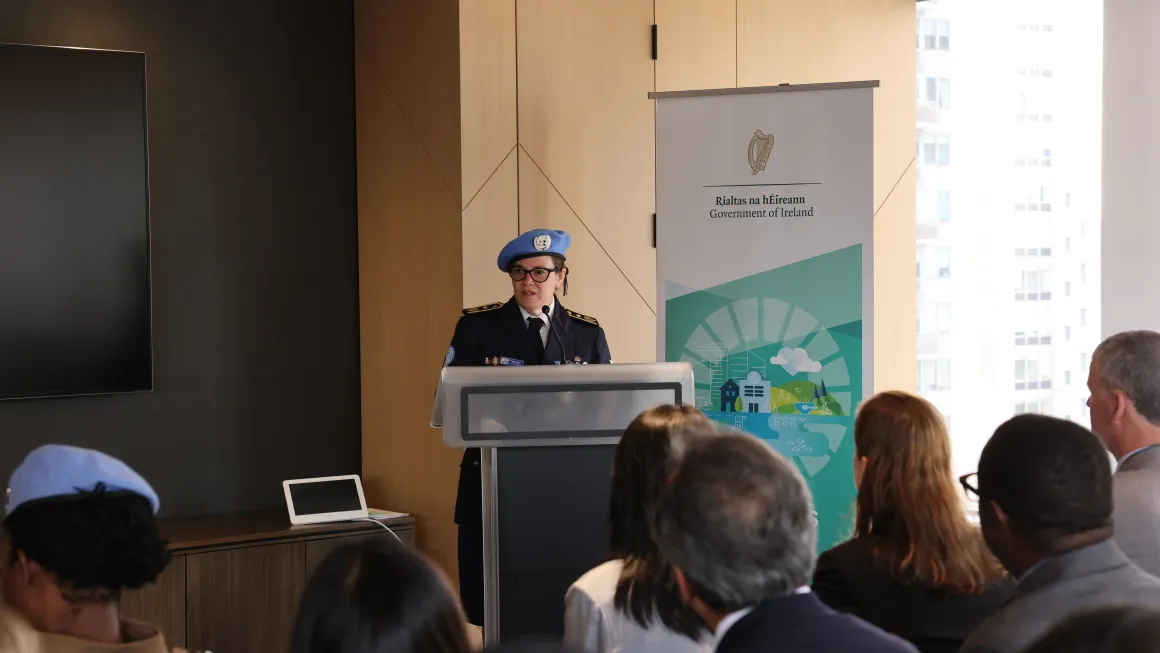
The discussions examined how trust and legitimacy can be translated into practice, including through better protection of vulnerable communities, stronger partnerships and greater coherence through a “One UN” approach to policing.
In Beni, policing partnerships turn cooperation into action
In Beni, North Kivu, the Congolese National Police and UN Police marked the International Day of Police Cooperation by reaffirming their partnership to protect civilians and address crime, cybercrime and other security threats. The event brought together provincial authorities, police leaders and civil society representatives, who highlighted concrete results of the cooperation, including a dedicated hotline that enables residents to report security incidents quickly. Against the backdrop of an Ebola resurgence, police officers were also encouraged to follow preventive measures and facilitate the work of health-response teams. The initiative demonstrated how cooperation can connect stronger policing capacities with community participation, public-health preparedness and more effective protection for people facing overlapping risk.
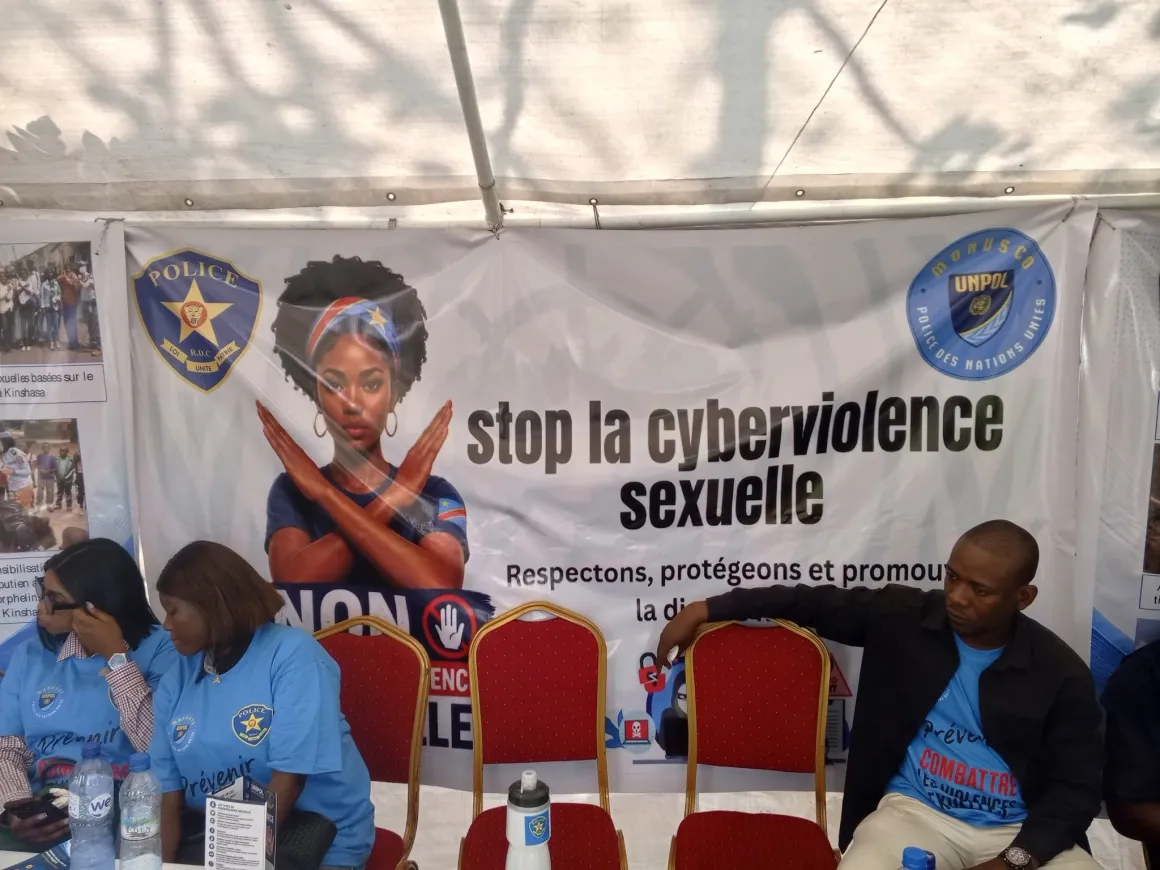
In South Sudan, cooperation strengthens skills and community trust
Across South Sudan, UN Police marked the International Day of Police Cooperation through activities that brought together national police officers, communities and peacekeepers.
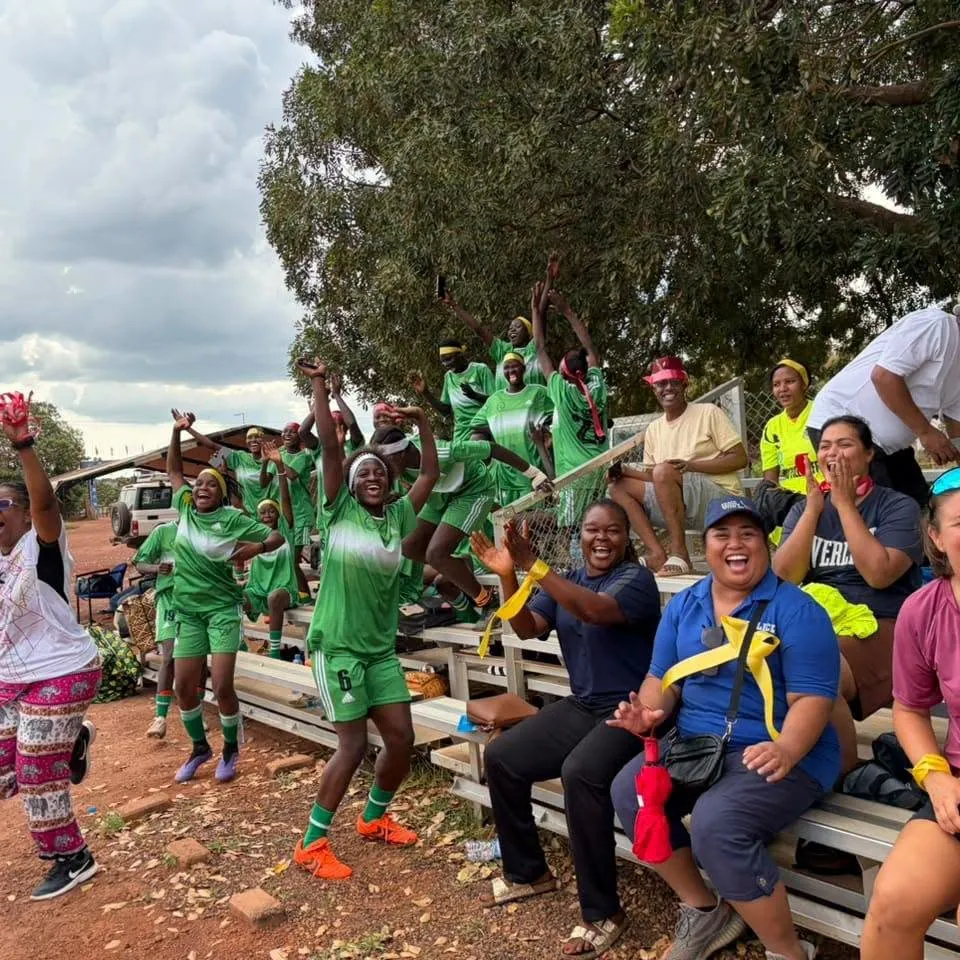
In Wau, cooperation took a different form as UN Police, national police officers and local residents came together for a friendly football match. The activity helped break down barriers, strengthen relationships and demonstrate how informal community engagement can contribute to trust and effective community policing.
In Yambio, UN Police engaged women officers of the South Sudan National Police Service on the importance of literacy and education in policing. Through an English literacy programme, officers are strengthening their reading, writing and communication skills while building the confidence needed to serve communities effectively. Participants have called for a second level of the course to continue their progress.
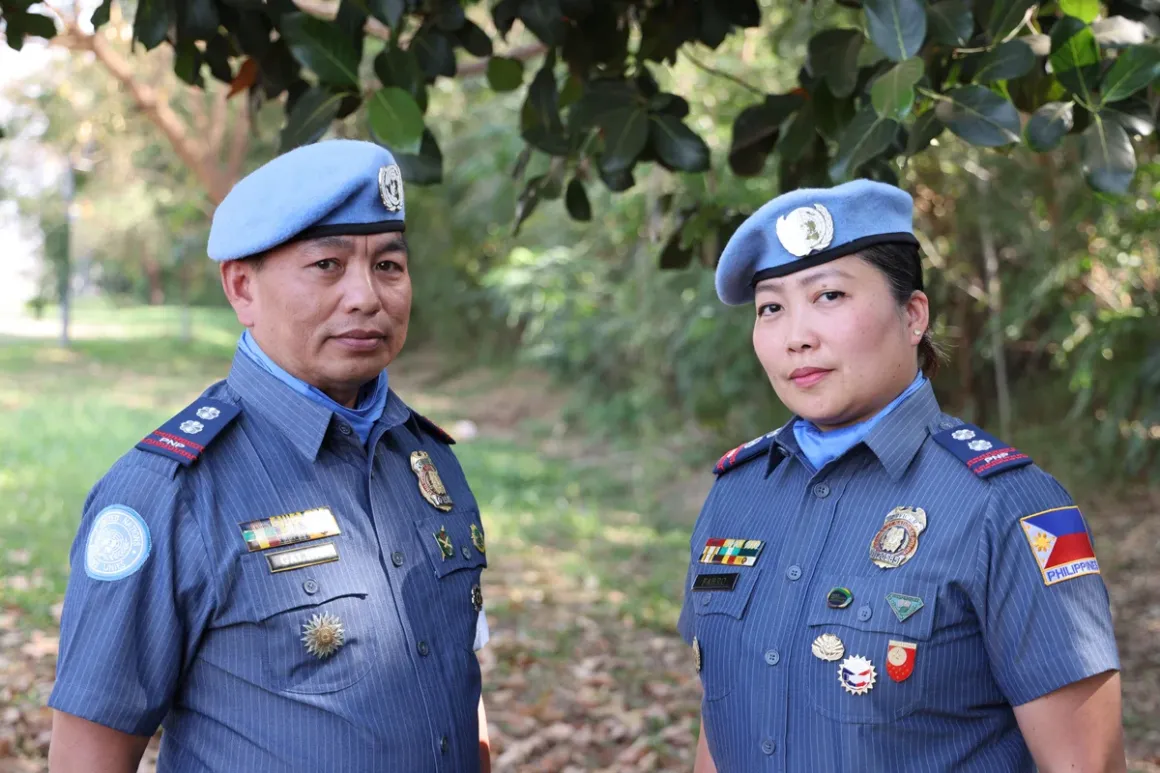
Whether through cross-border information exchange, joint training, institutional capacity-building or engagement with communities, the principle is the same: shared security challenges require shared responses.
For United Nations Police, cooperation helps connect international expertise with national priorities — while ensuring that the ultimate measure of effective policing remains the safety, confidence and trust of the people police institutions are there to serve.


